The Spare Table: Restraint and Generosity at a Birmingham Tea Gathering
There is a familiar Birmingham instinct, when guests are expected, to fill the table. Plates multiply; sandwiches are cut into neat triangles; cakes appear in pairs; biscuits are offered before anyone has removed a coat. The intention is generous, and it is understood. Hospitality in the Midlands is rarely a matter of doing too little. Yet in a tea gathering, abundance is not always the same thing as care. A table crowded with food can leave little room for the bowl, the kettle, or the unhurried exchange that gives the occasion its shape.
The Weight of an Overfilled Table
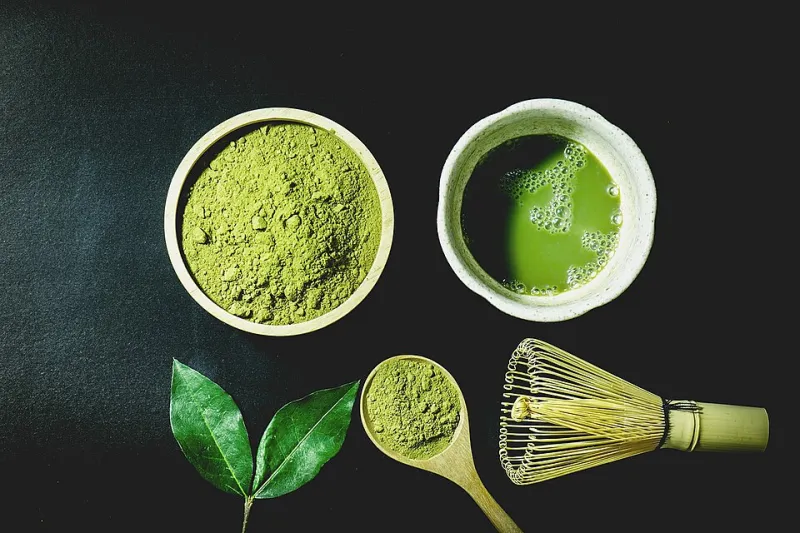
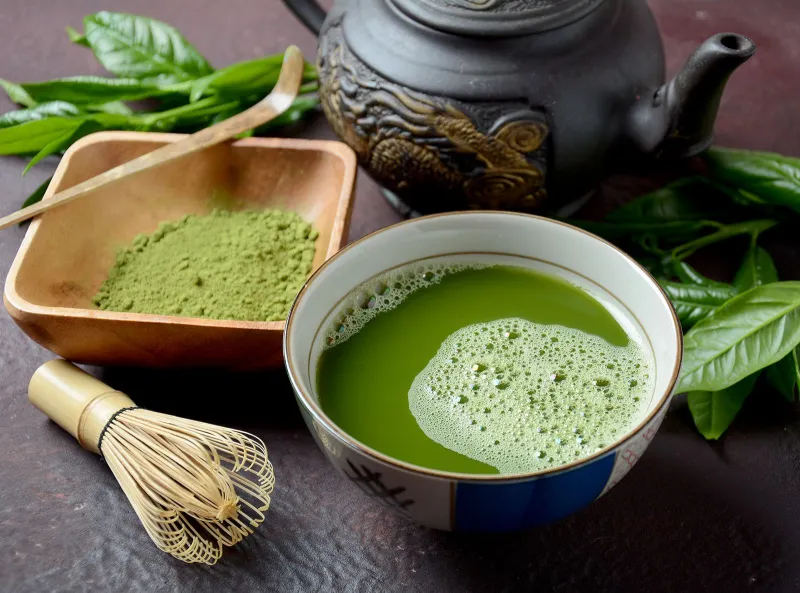
Afternoon tea, as it is commonly served in Britain, has its own logic: variety, plenty, and a visible assurance that no guest will leave hungry. A Japanese tea gathering works from a different premise. The food is not the centre of the event; it is a companion to the tea. Sweets prepare the palate for matcha. A modest savoury bite may settle the stomach before sencha. Neither needs to be elaborate to be effective. When the table becomes a display, the tea risks becoming one item among many rather than the point towards which the gathering moves.
This is not an argument against feeding guests well. It is an argument for feeding them thoughtfully. In a Birmingham home, a community room, or a hired hall, the host who chooses less is not withholding hospitality. They are making a deliberate space for attention. The guest is invited to notice a single sweet, its texture and season, and then to return to the bowl. That rhythm is difficult to sustain when three kinds of cake are competing for notice.
Hospitality Is Not Volume
A generous host is often imagined as one who provides more than enough. In tea, generosity can be expressed through timing, attention, and suitability. The right sweet, offered at the right moment, may do more than a laden table. A bowl of matcha is not improved by a surrounding buffet. Sencha is not better understood when four savoury courses precede it. The host’s task is to create conditions in which tea can be tasted clearly and company can gather without distraction.
For Birmingham gatherings, this may mean resisting the expectation that every meeting involving tea must resemble a hotel afternoon tea. A small bowl of seasonal fruit, a single wagashi, or a plain biscuit can be sufficient. The ceremony does not require a feast. It requires a considered frame.
One Sweet, One Savoury, One Season
A practical rule for the tea table is simple: choose one sweet and, if the gathering calls for it, one savoury bite. Let season guide the choice. In November, a chestnut sweet or a pear-based confection suits the cooler weather. A savoury bite might be a small rice ball, a piece of seasonal vegetable, or a modest sandwich cut small enough to eat in two bites. The aim is not novelty for its own sake, but harmony with the tea.
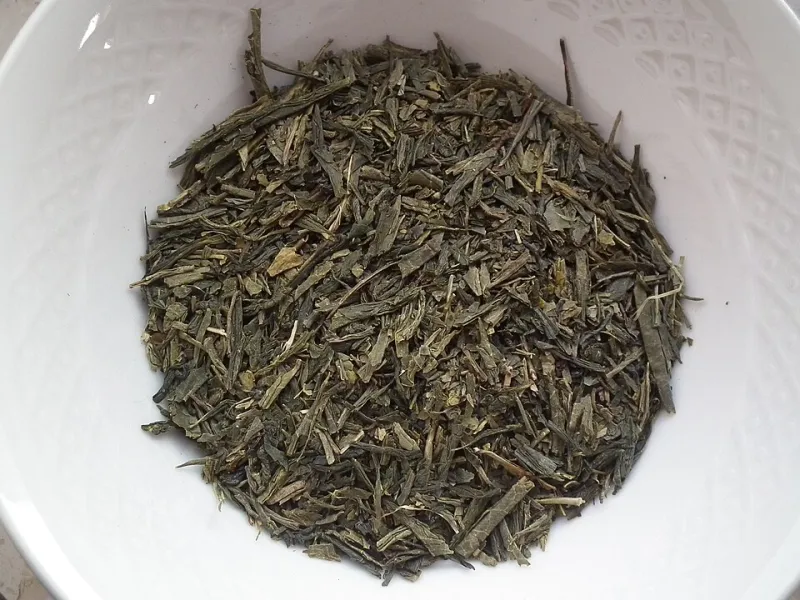
For matcha, a sweet with a little sweetness and a clean finish is usually welcome. For sencha, a lighter sweet or a savoury bite may allow the tea’s freshness to show. The host need not offer both matcha and sencha at every gathering. One tea, well prepared, with one accompanying food, can be a complete occasion. If two teas are served, the food should mark the transition rather than crowd it.
Pacing: The Interval as Invitation
Restraint is as much a matter of timing as quantity. Food should not arrive all at once. A sweet may be offered before matcha, with a short pause for conversation after it is finished. The bowl is then prepared and served. For sencha, a savoury bite may come first, followed by tea, followed by a quiet interval. These intervals are not empty. They allow guests to settle, to speak, and to notice the room.
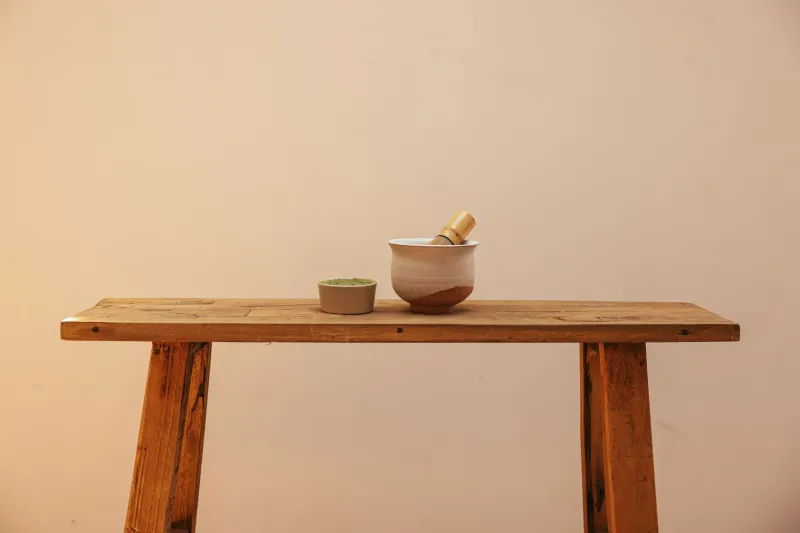
In a Birmingham tea room, the host can make this pacing visible by keeping the table sparse from the start. A single plate, a tea caddy, a bowl, and a kettle are enough. Additional items can be brought in when needed and removed when finished. This prevents the table from becoming a storage surface and gives each object its own moment.
A Birmingham Shopping Note
Choosing less does not mean shopping carelessly. Birmingham has useful sources for the modest tea table: independent bakeries, Midlands farmers’ markets, and specialist grocers. A host might buy one good wagashi from a Japanese grocer, or make a simple seasonal sweet at home. A local bakery’s plain biscuit or a small fruit tart can serve if it is not too rich. The test is not provenance alone but suitability: will this food leave the palate ready for tea, or will it overwhelm it?
For savoury bites, simplicity is an asset. A small onigiri, a piece of pickled vegetable, or a neat sandwich of cucumber or egg can be enough. Avoid strongly flavoured or heavily sauced foods before delicate teas. The guest should finish the bite and feel refreshed, not satiated.
When Less Is the More Considerate Choice
A spare table is not a cold table. It is a table that has been edited. The host has decided what the occasion requires and has removed what it does not. In a city where hospitality is often measured by plenty, this can feel countercultural. But guests notice when they are not rushed. They notice when the tea is served at the right temperature and when the sweet is brought at the right moment. They notice when there is space to talk.
The generous empty plate is not an absence. It is an invitation to pay attention. In Birmingham, as elsewhere, the finest tea gatherings are often the quietest: a bowl, a sweet, a few words, and time enough to enjoy them.