A Sheltered Bench, a Warm Flask: Matcha and Rice for Birmingham’s Outdoor Tea
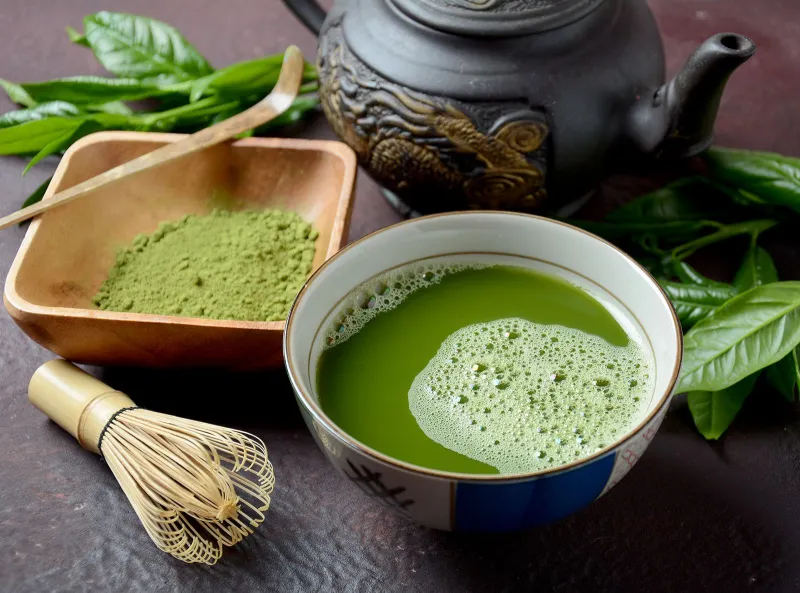
Photo: matcha bowl thermos onigiri picnic bench autumn park UK, via cdn.britannica.com
The Case for Going Outdoors
A tea room is defined less by its walls than by the attention brought into it. For those who practise in Birmingham, the city’s parks offer a useful extension of that principle: a bench beneath a tree, a flask of hot water, a small bowl, and a modest parcel of rice can sustain a gathering of quiet purpose. The aim is not to recreate a formal temae in public, nor to stage an elaborate picnic. It is to carry the spirit of the tea room into the open air with sufficient care that neither the tea nor the company suffers.
As November 2026 settles into its shortened afternoons, the outdoor option becomes a matter of choosing conditions rather than ignoring them. The guidance below is practical, but it rests on an older idea: hospitality is expressed through preparation. A blanket and a bowl, sensibly chosen, can be as eloquent as a full room.
Choosing the Ground
Begin with the weather, but do not consult only the temperature. Wind, damp, and the condition of the ground matter more than a mild forecast. A still, dry day at eight degrees is often more comfortable than a bright, blustery one at twelve. Check the hourly forecast on the morning of the gathering and decide early; a postponed picnic is better than a hurried one.
In Birmingham, several parks offer reliable shelter. Cannon Hill Park has benches near mature trees and the mac, though weekends can be busy. Sutton Park provides greater seclusion but demands more walking and a careful eye on closing times. Winterbourne House and Garden, while not a public park in the ordinary sense, offers a gentler setting for those already visiting the garden. Moseley Park and the green spaces around Edgbaston Reservoir are useful alternatives when the city centre is crowded.
Look for a bench with a back, dry slats, and some protection from the prevailing wind. Avoid low ground where water collects. A bench facing away from the main path allows conversation without becoming a spectacle. If the ground is cold, a folded blanket beneath the feet is not an indulgence; it is the difference between a comfortable hour and a short one.
The Flask and the Bowl
Matcha outdoors requires a little more discipline than at home, chiefly because hot water is less easily adjusted. A wide-mouthed vacuum flask is the most dependable vessel. Fill it with water at about seventy to eighty degrees Celsius for everyday usucha; boiling water will make the tea bitter and the flask difficult to handle. If you prefer a cooler infusion, carry a second small flask of cold water to temper the bowl.
Measure the matcha before leaving. Sift it at home into a small lidded caddy, for sifting outdoors is an exercise in frustration. A modest scoop per bowl is sufficient. Bring a sturdy chawan or a deep, wide cup that will not tip on uneven ground; fine porcelain is best left indoors. A bamboo whisk and a small cloth complete the kit. Wrap the bowl in a furoshiki or a thick tea towel, both to protect it and to provide a clean surface on which to set it down.
At the bench, arrange the cloth first. Let the bowl rest upon it rather than directly on the slats. Warm the bowl with a little hot water, discard that water away from the seating area, then whisk the matcha. The rhythm is shorter outdoors, but it need not be rushed. One bowl passed between two or three people is usually enough; a picnic is not a tea ceremony, and the point is refreshment rather than repetition.
Rice That Travels Well
Onigiri are well suited to an outdoor gathering because they are portable, unfussy, and easily shared. Cook short-grain rice in the usual way and allow it to cool sufficiently to handle. Salt your hands lightly before shaping, both for flavour and for hygiene. Keep fillings restrained: umeboshi, salted salmon, kombu, or a little cooked egg. Strongly flavoured or heavily sauced fillings travel poorly and compete with the tea.
Wrap each rice ball individually in cling film or wax paper, and keep nori separate until the moment of eating so that it remains crisp. In cool weather, a small insulated bag is adequate for a short outing. Food should not sit in the open for long; aim to eat within two hours of packing. Add a few pickles, perhaps some sliced pear or apple, and a plain biscuit if the gathering is to last into the afternoon. Nothing should require last-minute assembly.
For those who prefer a vegetarian table, salted cucumber, pickled plum, and sesame kombu are all reliable. Avoid fillings that leak or smell strongly in a shared space. The food should support the tea, not distract from it.
The Order of a Picnic
Outdoor etiquette is largely a matter of consideration. Keep voices low, particularly near other park users. Do not occupy more bench space than the party requires. If the bench is shared, acknowledge the other occupants and keep the tea equipment compact. Shoes should remain off the blanket only if the ground is dry and the custom is clearly understood by all present; otherwise, keep the gathering simple and seated.
Begin by settling the blanket and arranging the flask, bowls, and food parcel. Offer the first bowl to a guest, then to yourself. Eat slowly. There is no requirement to declare the picnic open or closed; a short pause before the first whisk and a moment of thanks before packing away are sufficient. Take all litter with you, including fruit skins and used paper. Leave the bench as you found it, or better.
When the Weather Turns
Late autumn weather can shift quickly. If rain begins, do not attempt to finish the tea in discomfort. Cover the bowl, secure the flask, and move to shelter without apology. A gathering that ends early on account of weather has not failed; it has observed the conditions. The same applies to cold: if hands are too numb to whisk comfortably, the tea can wait.
The spirit of the tea room is portable because it lives in attention, not in architecture. A sheltered bench in a Birmingham park, a warm flask, a bowl of matcha, and a shared rice ball can hold that attention for an hour. The walls are optional; the care is not.