The Evening Bowl: Ochazuke and Tea for Quiet Birmingham Suppers
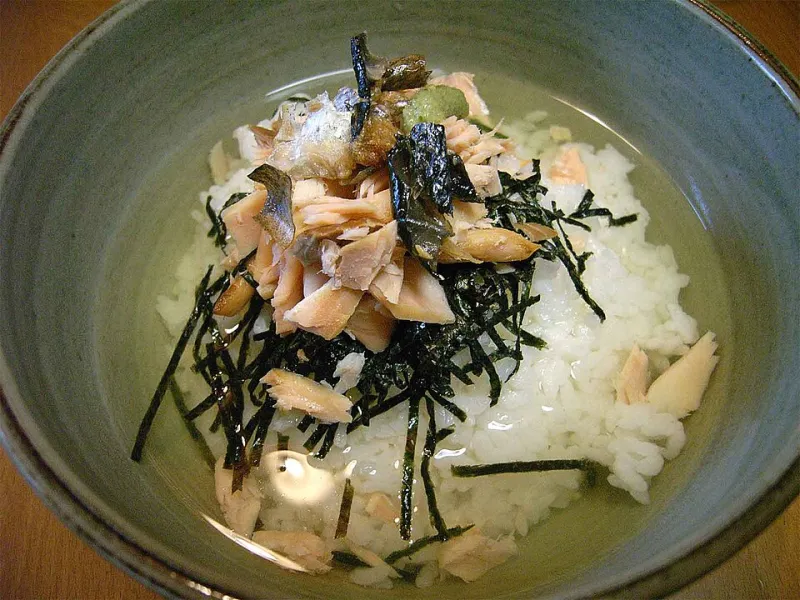
Photo: matsukawa1971, CC BY 2.0, via Wikimedia Commons
On a dark Birmingham evening, when the day has ended later than expected, there are few suppers more restorative than a bowl of rice covered with hot tea. Ochazuke is not a ceremonial dish, and it makes no claim to grandeur. It belongs instead to the everyday hospitality of the Japanese kitchen: a warm bowl, a savoury topping or two, and a liquid that brings the whole together. For UK cooks, it is a useful weeknight supper precisely because it is adaptable, quick, and gentle.
A Simple Bowl, Not a Sparse One
Ochazuke consists of cooked rice, a hot liquid—usually tea, sometimes dashi, sometimes both—and a small selection of savoury toppings. The name itself suggests tea poured over rice. It is not a soup in the European sense, nor a risotto, nor a dish that requires a long list of ingredients. Its pleasure lies in contrast: the soft warmth of rice, the fragrant liquid, and the salt, umami, and texture of what sits on top.
The rice should be freshly cooked or gently reheated, and the bowl should be warmed before the rice goes in. A ratio of roughly one generous bowl of rice to 150–200 millilitres of hot liquid is a reasonable starting point, though preferences vary. The liquid should be hot enough to warm the rice but not so voluminous that the bowl becomes watery. Ochazuke is at its best when the rice is still discernible beneath the tea.
Choosing the Tea
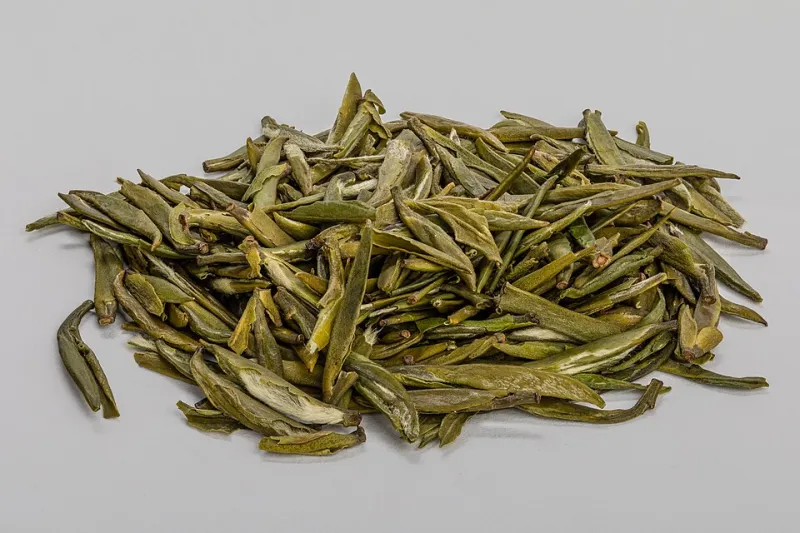
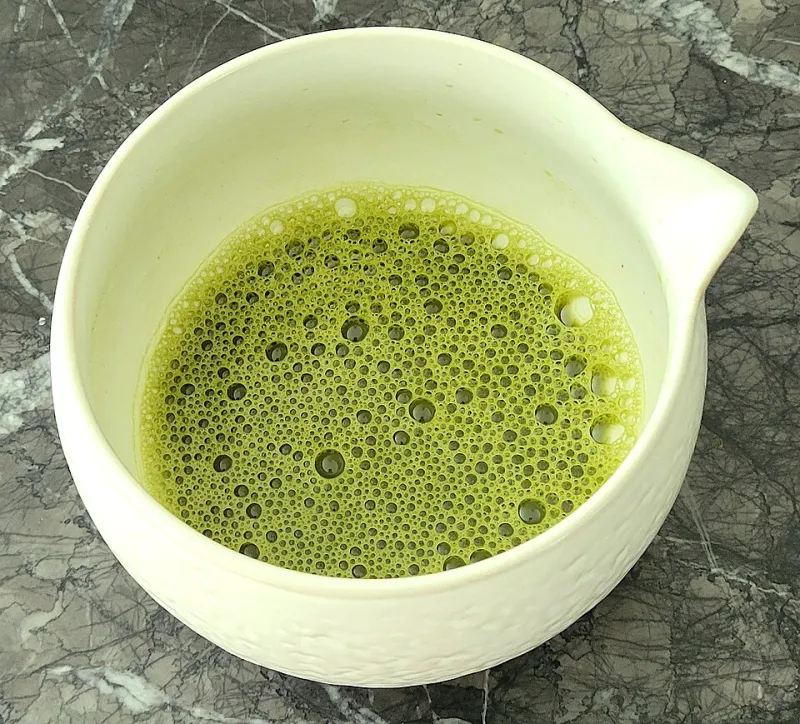
The tea one chooses changes the character of the bowl. Sencha gives a fresh, slightly grassy note and suits lighter toppings. Genmaicha, with its toasted rice, brings a nutty warmth that sits well with salmon or pickles. Matcha can be used sparingly for a more vivid, concentrated flavour, but it should not overpower the rice. A simple Japanese green tea, brewed a little more strongly than one might drink it on its own, is often enough. The tea should be strained and free from bitter over-steeping.
Dashi offers a different direction. A light kombu and bonito stock, or a vegetarian kombu and shiitake stock, gives a savoury foundation rather than a tea fragrance. Instant dashi is permitted in a busy kitchen, provided it is used with restraint. Some cooks combine tea and dashi, but this is a matter of taste. The guiding principle is balance: the liquid should support the rice and toppings without leaving the bowl salty or astringent.
Toppings for a Birmingham Larder
Ochazuke is forgiving. A few ingredients are enough, and they need not be exotic. The following are suggestions rather than a fixed recipe.
- Flaked cooked salmon, or smoked trout from a local fishmonger, for a savoury richness.
- Pickled cucumber or other tsukemono, chopped small, for brightness and crunch.
- Nori, cut into fine strips, and toasted sesame seeds, for a clean sea-like note.
- Spring onion, thinly sliced, for freshness.
- Umeboshi, the sour pickled plum, for a sharp accent; use only a little.
- Silken tofu, cubed and warmed through, for a softer bowl.
- A soft-boiled egg, halved, for a richer supper.
- Cooked peas or edamame, for a gentle sweetness.
A small piece of leftover roast chicken can also be shredded and used in place of salmon, though the result will be more British than Japanese. The point is not authenticity for its own sake. It is a bowl that can be made from what is already in the kitchen, without a special journey across the city.
A Weeknight Method
Begin by warming two deep bowls. Cook or reheat the rice and divide it between them. Prepare the toppings while the rice is hot, keeping each one small and neat. Brew the tea, or heat the dashi, and have it ready in a jug. Arrange the toppings over the rice—no more than three or four, so that the bowl remains legible—and pour the hot liquid around the edges and over the centre at the table. A little soy sauce may be offered separately, but it is wise to taste before adding more salt.
The bowl should be eaten promptly, while the rice is warm and the tea still fragrant. Chopsticks and a spoon are both acceptable in a domestic setting. If serving a guest, place the bowl before them with both hands and let them choose their own pace. This is not a dish that requires ceremony, but it does reward attention.
Hospitality Without Elaboration
The spirit of tea ceremony is often described through attention rather than abundance. A host considers the guest, prepares what is needed, and offers it without fuss. Ochazuke carries something of that spirit into the home. It is a supper that says: you are welcome, here is something warm, and there is no need for the evening to be complicated.
For a Birmingham kitchen, that makes it a useful dish for dark nights and quiet company. It can follow a tea gathering or stand entirely on its own. Its simplicity is not a lack of care. It is care made visible in a bowl of rice, a pour of tea, and the small, considered toppings that turn an ordinary supper into a moment of hospitality.