Beyond the Bowl: Five Practical Uses for Spent Tea Leaves in a Birmingham Kitchen
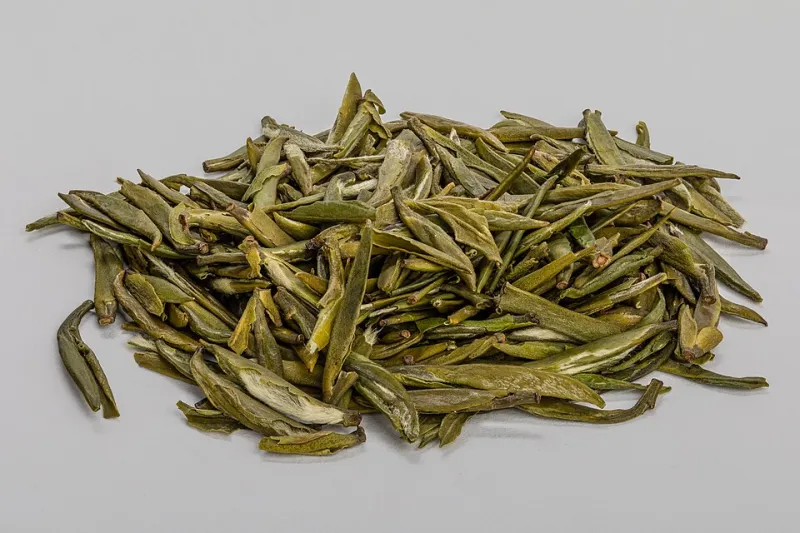
Photo: CEphoto, Uwe Aranas, CC BY-SA 4.0, via Wikimedia Commons
After a tea gathering, the bowl is empty but the leaves remain. In many kitchens they are tipped into the bin without a second thought. Yet spent tea leaves—whether from a formal bowl of matcha, a pot of sencha, or a humble everyday brew—carry flavour, texture, and nutrients that can be put to good use. In Birmingham, where good ingredients are available from independent grocers, Asian supermarkets, and market stalls, there is every reason to treat the leaf with the same care after steeping as before.
The following five uses are not novelties. They are practical, tested, and suited to a UK kitchen. They assume leaves that have been steeped once or twice and are still damp. Use them the same day or dry them promptly; do not leave them in a warm kitchen to sour.
1. Furikake-Style Seasoning
Furikake is a Japanese rice seasoning, typically a mixture of dried seaweed, sesame, sugar, and salt. Spent tea leaves can be dried and added to a homemade version. Spread the leaves on a baking tray and dry them in a low oven—around 60°C—for an hour or so, until crisp. Crumble them finely and mix with toasted sesame seeds, a little salt, and a pinch of sugar. Add dried seaweed if you have it; Birmingham's Asian supermarkets, such as those in the Arcadian or on Pershore Street, stock nori and aonori.
This seasoning is best with robust leaves: hōjicha, bancha, or a strong sencha. Matcha powder can also be used, but the spent leaves themselves are milder. Sprinkle the mixture over rice, noodles, or grilled vegetables. Keep it in a small jar, tightly closed, and use within a month.
2. Rice
A simple way to use damp spent leaves is to cook them with rice. Rinse your rice as usual, place it in a saucepan with the correct amount of water, and add a tablespoon or two of chopped tea leaves. For two servings, one teaspoon is enough; the tea should be a background note, not the main event. Cook the rice as normal. The leaves will soften and lend a subtle green or roasted flavour, depending on the tea.
This works well with sencha, genmaicha, or hōjicha. Avoid heavily flavoured teas or those with added oils. In Birmingham, this is a useful way to stretch a meal when the cupboard is thin, and it pairs well with a simple grilled fish or a bowl of miso soup.
3. Quick Pickles
Spent leaves can be used in a quick pickle, often called a “quick shibazuke” in Japanese home cooking, though the name varies. Slice cucumber, daikon, or carrot thinly, sprinkle with salt, and leave for twenty minutes. Squeeze out the excess water. Mix the vegetables with chopped spent tea leaves, a little rice vinegar, and a pinch of sugar. Leave for another twenty minutes before serving.
The tea adds colour and a mild astringency. Sencha or bancha leaves are best; hōjicha gives a smokier note. This pickle keeps for a few days in the fridge and is a good companion to rice or grilled food. It is also a thrifty way to use vegetables that are slightly past their best.
4. Compost
Tea leaves are an excellent addition to compost. They are a “green” material, rich in nitrogen, and they break down readily. Add them to your compost bin or heap, mixing them with “brown” materials such as cardboard, dry leaves, or straw. In a small Birmingham garden or allotment, this is a straightforward way to return the leaf to the soil.
If you do not have a compost heap, many local councils collect food waste, and tea leaves can go into that bin. Alternatively, dig them directly into the soil around acid-loving plants such as camellias or blueberries; they will break down slowly and improve the soil. Do not add them in thick layers, as they can mat and exclude air.
5. Simple Broth
A light broth can be made from spent leaves, particularly if they are from a tea that has not been over-steeped. Place the leaves in a saucepan with cold water—about 500ml for a handful of leaves—and bring to a gentle simmer for five minutes. Strain. The resulting liquid is mild and slightly bitter; use it as a base for soup, noodles, or rice. Add soy sauce, mirin, or a piece of kombu to deepen the flavour.
This broth is best with sencha or bancha. Hōjicha gives a roasted note that works well with mushrooms. Do not expect a strong tea flavour; the point is to extract the last of the leaf's goodness. In a Birmingham kitchen, this can be a useful way to add depth to a simple weekday meal without buying stock.
Choosing the Right Leaf
Not every tea is suited to every use. Matcha, being a powder, is not suitable for these recipes unless you are using the residual powder from a bowl, which can be added to furikake. Gyokuro and high-grade sencha are best enjoyed as tea; their spent leaves are delicate and may be overpowered by other ingredients. Hōjicha, bancha, and genmaicha are robust and forgiving. If you are unsure, taste the spent leaf before using it; if it is bitter or unpleasant, compost it instead.
Respect for the leaf does not end with the last steeping. In a Birmingham kitchen, these small uses are a way of honouring the tea's journey from field to bowl to table.