The Sweet Prelude: A Birmingham Guide to Wagashi and Matcha
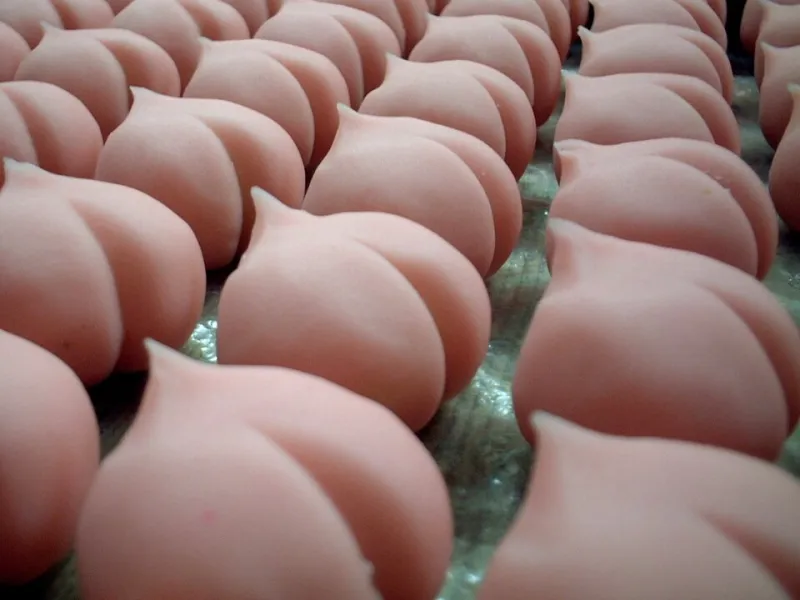
Photo: Juni from Kyoto, Japan, CC BY 2.0, via Wikimedia Commons
Wagashi occupy a modest place on the tea table, yet they carry a disproportionate share of the occasion. A small sweet is set before the guest, often before the tea is whisked, and it prepares the palate for the bitterness of matcha. In Birmingham, where interest in Japanese tea has grown steadily, wagashi are sometimes treated as ornamental confectionery rather than as part of a considered sequence. This guide treats them as they deserve: as food with a purpose, a season, and a logic of its own.
Why the Sweet Comes First
The order is not arbitrary. Matcha is concentrated, vegetal, and often bracing; a sweet softens the palate and makes the tea taste fuller rather than merely bitter. In a formal tea gathering, the sweet is usually eaten before the bowl is received, and it is eaten completely rather than nibbled alongside the tea. This is one of the first points of etiquette that newcomers to Urasenke Birmingham ask about, and it is worth stating plainly: the wagashi is not a biscuit to be dunked. It is a preface.
At home, the same principle applies without the ceremony. Place one sweet on a small plate, sit down, and eat it with attention before whisking the tea. The pause is short, but it changes the experience. It also prevents the common mistake of serving a very sweet cake beside a delicate usucha and finding that neither shows well.
A Short Family Tree of Wagashi
Wagashi is an umbrella term rather than a single recipe. The families most often encountered in the UK are nerikiri, monaka, dorayaki, yokan, and rakugan. Nerikiri is the soft, moulded sweet made from sweetened white bean paste and often coloured or shaped to suggest a flower, leaf, or seasonal motif. Monaka is a crisp wafer shell filled with anko, the sweetened azuki bean paste. Dorayaki is a pair of small pancakes sandwiching anko, familiar to many through Japanese popular culture but still a legitimate tea-table sweet. Yokan is a dense agar-set block, often flavoured with matcha or fruit, and rakugan is a dry pressed sugar sweet that keeps well and looks austere in the best sense.
These sweets differ in moisture, texture, and sweetness, and those differences matter when matching them to tea. A moist nerikiri and a crisp monaka are not interchangeable. One coats the palate; the other gives a clean snap before the tea.
A Practical Pairing Chart
| Wagashi | Character | Suggested matcha | Why it works |
|---|---|---|---|
| Nerikiri | Soft, moist, finely sweet | Usucha or koicha | The smooth paste carries the tea's bitterness evenly; choose a mild flavour for koicha |
| Monaka | Crisp wafer, dense anko filling | Usucha | The wafer gives texture and keeps the sweet from feeling heavy |
| Dorayaki | Soft pancake, generous anko | Usucha | Familiar and comforting; best kept small so it does not dominate |
| Yokan | Firm, sliceable, restrained | Koicha | Its density stands up to thick tea; a matcha-flavoured yokan is especially harmonious |
| Rakugan | Dry, delicate, slowly dissolving | Usucha | A light sweet for a light tea; useful when the palate needs refreshment |
This chart is a starting point rather than a rulebook. The most reliable guide is taste: if the sweet makes the tea taste thinner or harsher, the pairing is wrong. If the tea tastes rounder and more savoury, it is right. Birmingham readers should feel free to experiment, but they should experiment in small quantities.
Seasonal Names, Seasonal Shapes
Wagashi are unusually attentive to the calendar. In November, a nerikiri may be shaped as a maple leaf, a ginkgo leaf, a chrysanthemum, or a persimmon, with colours drawn from the Midlands autumn as much as from Japanese convention. In winter, camellia, yuzu, and snow motifs appear. The names matter as much as the shapes: a sweet called 'first frost' or 'lingering leaf' invites the guest to notice the season before tasting anything.
For a Birmingham host, this is an opportunity rather than a barrier. A simple white bean paste sweet pressed into a leaf-shaped mould can carry the same idea. The point is not perfect imitation but thoughtful attention. A sweet that acknowledges the month is more generous than an elaborate one that ignores it.
Shopping and Simple Making in Birmingham
Specialist Japanese grocers in the city centre, the Japanese aisles of larger Asian supermarkets, and reputable online retailers now make anko, matcha, mochi flour, and ready-made monaka shells reasonably easy to find. For beginners, bought anko is entirely acceptable. Press it into small silicone moulds, chill it briefly, and dust with matcha or cocoa for a simple nerikiri-like sweet. A spoonful of anko between two crisp biscuits is not monaka in the strict sense, but it teaches the same lesson about texture and contrast.
Those who prefer to make sweets from scratch should begin with yokan or rakugan, both of which keep well and do not require shaping skill. Nerikiri is rewarding but fiddly; it is better attempted after one has learned how sweet the paste should be. In all cases, reduce the sugar slightly for a UK palate if necessary, but do not remove it altogether. The sweet is doing a job.
Etiquette at the Tea Table
When sweets are served informally, place them on a small plate to the guest's left or in front of them, depending on the setting, and offer a pick or small paper if the sweet is moist. Eat the sweet before drinking the tea. Take small bites rather than breaking it apart dramatically. If the sweet is dry, it may be lifted with the fingers; if it is soft, use the pick. Conversation should remain quiet, and the sweet should not be used as a prop while speaking.
At Urasenke Birmingham, we often say that the sweet is the host's first sentence. It tells the guest what season it is, how much attention has been paid, and whether the gathering will be hurried or calm. A biscuit tin can be generous, but a single well-chosen wagashi is more eloquent.