Hosting Without Haste: Quiet Welcome in a Birmingham Tea Room
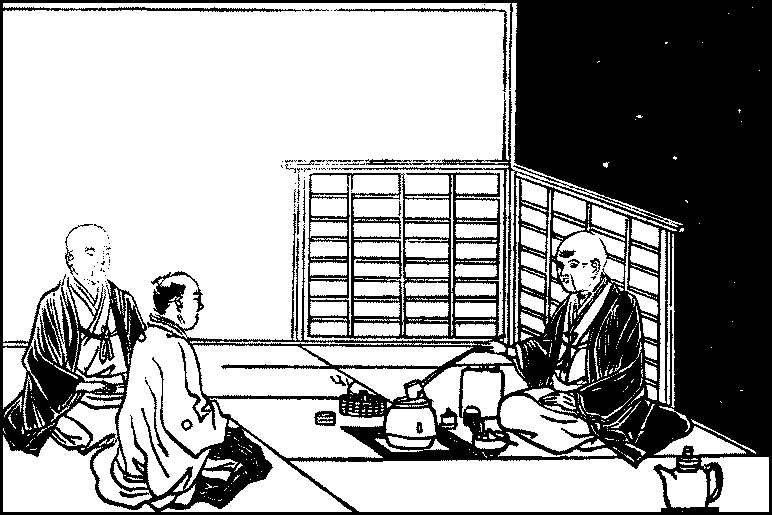
Photo: Unknown authorUnknown author, Public domain, via Wikimedia Commons
A tea gathering is not a performance of expertise. It is a hosted occasion, and the host's first responsibility is not to impress but to settle. In Birmingham, where hospitality is often warm and voluble, this can feel countercultural. We are used to filling silence, to offering too much, to making a fuss. A quiet tea gathering asks for something else: a room that is ready, a welcome that is brief, and attention that is steady rather than loud.
The Room Before the Room
The room begins before the guest arrives. Clear the space you intend to use, whether it is a front room in a Victorian terrace, a community hall in the suburbs, or the back room of a café. Remove clutter that will distract the eye, but do not strip the room of character. Lower the lighting if possible. Avoid scented candles and strong room sprays: they compete with the aroma of matcha and can make the tea taste muted. Arrange seating so that guests can see one another without twisting, and leave a clear path to the tea utensils.
Set out what you need before the first knock. Water should be hot but not frantic, utensils should be within reach, and a small tray for sweets should be ready. This is not military precision; it is simply the difference between a host who is present and a host who is searching for a whisk while guests stand in the hall. In a community hall, arrive early enough to adjust heating and lighting. In a café back room, confirm that the staff will not clear cups mid-conversation.
Greeting Without Performance
Open the door promptly and greet each guest by name if you can. Take coats, offer a seat, and say something simple: 'Thank you for coming. Please make yourself comfortable.' That is usually enough. A long welcome speech, an apology for the room, or a detailed explanation of the tea's provenance before the guest has sat down creates unnecessary pressure. The guest should not have to reassure the host before they have been offered water.
If guests arrive together, do not let the greeting become a bottleneck. Welcome them in, indicate where to leave coats, and let them find their places. If someone is early, offer them a seat away from the preparation area rather than pressing them into service. Quiet hospitality allows guests to arrive without being recruited.
The Pace of Quiet Conversation
Conversation at a tea gathering should be like a well-made bowl of usucha: light, warm, and not overfilled. Ask simple questions. Listen to the answer. Allow silence to exist without rushing to fill it. This is not coldness; it is respect. In the Midlands, we often show care by talking, but care can also be shown by leaving space for a guest to think.
Avoid turning the gathering into a lecture on Japanese tea. A little explanation is helpful, especially for newcomers, but the host should not dominate. If a guest asks about the tea, answer briefly and let the tasting continue. If a guest knows more than you do, do not compete. The room is not a seminar. Nor should the host apologise repeatedly for the informality of the occasion. A simple gathering is not a failed formal one; it is its own form.
Dietary Needs Without Disruption
Ask about dietary needs in advance, in plain language, when you invite guests. A short message is enough: 'I will serve a small Japanese sweet and matcha. Do let me know if you have any allergies or dietary restrictions.' This is not an intrusion; it is basic hosting. At the gathering itself, do not announce a guest's needs to the room. Offer the alternative quietly, on the same kind of plate, without making it look like a medical intervention.
Vegan, gluten-free, and nut-free guests should be able to eat without a scene. Check the ingredients of bought wagashi carefully, as some bean pastes and wafer shells contain allergens. If you are unsure, choose a simple sweet you can verify. Cross-contamination matters, especially with nuts and gluten. A discreet label or a quiet word at the moment of serving is usually sufficient. The mood is broken not by the alternative itself but by the host's anxiety about it.
A Midlands Hospitality
Quiet hospitality is not a rejection of warmth. It is warmth with restraint. It says to the guest: you are welcome here, you do not need to perform, and you may take your time. That is a very Birmingham kind of generosity, even if it looks different from the loud variety. The host who lowers the lighting, asks a simple question, and then stops talking is not distant. They are making room.
At Urasenke Birmingham, we return often to the idea that tea is a shared quiet. The host's task is to protect that quiet without turning it into a test. If the room is calm, the welcome brief, the conversation unhurried, and the dietary needs handled without fuss, the gathering has already succeeded. The tea is almost a bonus.