At the Threshold: Arriving Considerately for Tea in a Midlands November
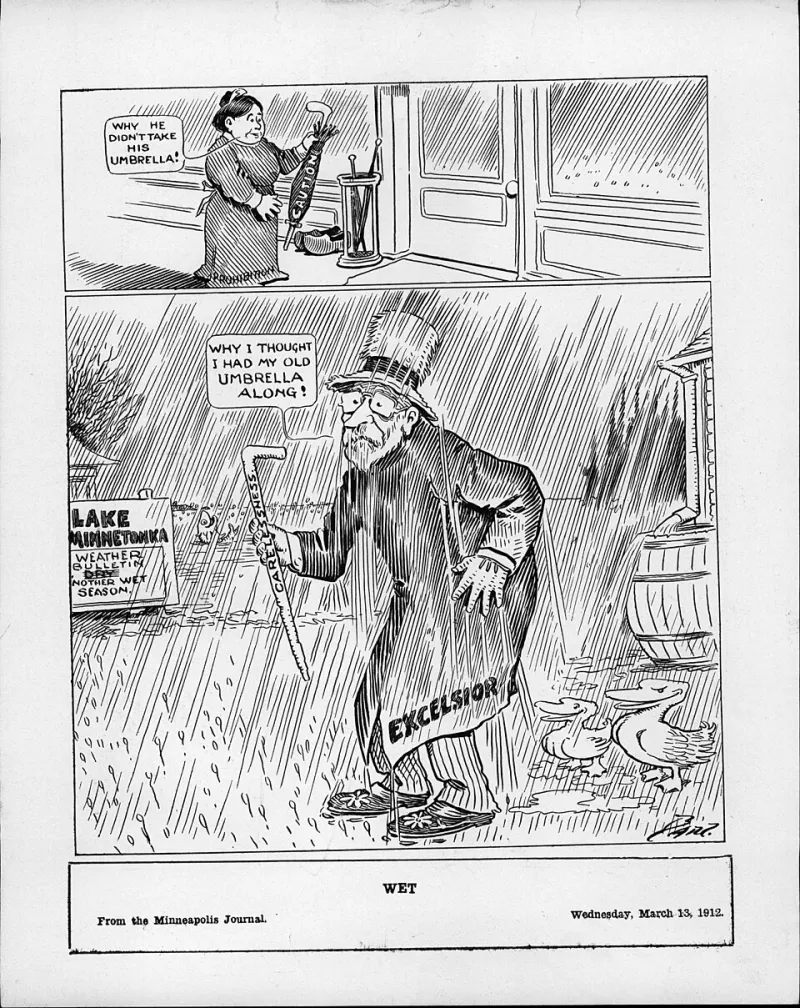
Photo: Bartholomew, Charles Lewis 'Bart', 1869-1949, Public domain, via Wikimedia Commons
Japanese tea ceremony is often imagined as a test of precise movements. In practice, its etiquette begins long before the first bow: in the choices a guest makes on the pavement outside, under a Midlands sky that can produce rain, wind and weak sunshine within the same quarter of an hour. At Urasenke Birmingham, first-time guests are not expected to arrive as accomplished practitioners. They are expected to arrive with a little thought for the room, the host and the other guests. British weather offers ample opportunity to practise that thoughtfulness.
Clothing for a wet Midlands day
Dress for the walk and for the room, not for a photograph. In November 2026, a sensible approach is to wear layers that can be removed quietly and carried without fuss. A raincoat is useful, but it should be one that can be taken off and hung away without shedding water across a tatami mat. Avoid trailing hems, very tight skirts and heavy walking boots that are difficult to remove at the door. Loose-fitting trousers, a modest skirt and a soft jumper are all perfectly suitable. The aim is not uniformity but ease: clothing that allows you to kneel, rise and sit still without constant adjustment.
Socks deserve more attention than they usually receive. Tea rooms in the Japanese tradition are entered without shoes, and clean socks are a simple courtesy. Thick hiking socks can be awkward on tatami, while thin socks with ladders or holes are best saved for another occasion. Tabi, the split-toe socks worn with kimono, are welcome but by no means required. If you have worn boots against the weather, bring a pair of clean socks to change into. Strong perfume or heavily scented hand cream is better left at home; the room will contain the scent of tea, charcoal and perhaps a seasonal flower arrangement, and guests should not compete with these.
Coats, umbrellas and the entrance
An umbrella should be closed before you cross the threshold. If a stand is provided, leave it there; if not, ask your host where it should go. A wet umbrella carried into the tea room is not a disaster, but it is an avoidable distraction. The same applies to coats. A raincoat should be removed at the entrance and hung or folded as directed, not draped over the tatami or placed on a cushion. If there is no cloakroom, keep your coat with your bag in the place indicated by your host.
This is the first small lesson in tea etiquette: the room has its own order, and the guest's task is to notice it. You do not need to know every rule in advance. You need only to pause, ask when unsure, and allow your host to guide you.
Shoes and socks at the threshold
At a Japanese-style entrance, shoes come off at the genkan. Step out of them, place them together with the toes pointing towards the door, and step up in your socks. This small act separates the street from the tea room, and it is worth doing without hurry. If you are carrying a bag, put it down first rather than balancing on one foot. If your shoes are wet, place them where they will not create a puddle for the next guest.
The threshold is not a hurdle to be crossed as quickly as possible. It is a pause. In a formal setting, that pause helps the guest to leave the noise of the street behind and arrive properly in the room. In a Birmingham November, it also helps to keep the tatami dry.
If you are late
Traffic, rail delays and rain can make even the most careful guest five minutes late. If this happens, do not rush in. Pause outside, close your umbrella, remove your coat and take a breath. Enter quietly, remove your shoes as you have been shown, and apologise briefly to your host. A short sentence is enough: that you are sorry to have kept them waiting. There is no need for a lengthy explanation of bus routes or roadworks.
If you are more than ten minutes late, it may be kinder to wait for a natural pause before joining the room. Follow any instruction you have been given, and do not interrupt a ceremony already in progress. Switch your phone to silent before you enter, or better still leave it in your bag. Being flustered is human; recovering with calm is part of the practice.
Why early is a form of hospitality
Arriving ten to fifteen minutes early is not about being early for its own sake. It allows time to remove wet outer layers, settle your bag, visit the washroom and compose yourself before the gathering begins. It is also a courtesy to the host, who can then start at the appointed hour without wondering whether a guest is lost in the rain. A quarter of an hour is usually ample; arriving much earlier may disturb preparations.
Hospitality in tea is not only what the host offers the guest. It is also what the guest offers the room: punctuality, quiet attention and a willingness to be guided.
What to carry in your bag
- A pair of clean socks or tabi, especially if you are wearing boots.
- A small folding umbrella and a slim bag or cover for it.
- A handkerchief or small towel for wet hands.
- A light layer that can be removed indoors.
- Flat shoes that are easy to take off at the door.
- A small notebook and pencil, if you like to make notes.
- A phone set to silent, kept out of sight during the gathering.
None of this is elaborate. The point is not to arrive perfectly equipped but to arrive ready to be considerate. Japanese tea etiquette is sometimes presented as a code of rigid perfection. In practice, it is a series of small decisions made for the comfort of others. British weather gives us plenty of chances to practise them, one wet umbrella and one pair of clean socks at a time.