Measured for Company: Sencha in Quantity for a Birmingham Table
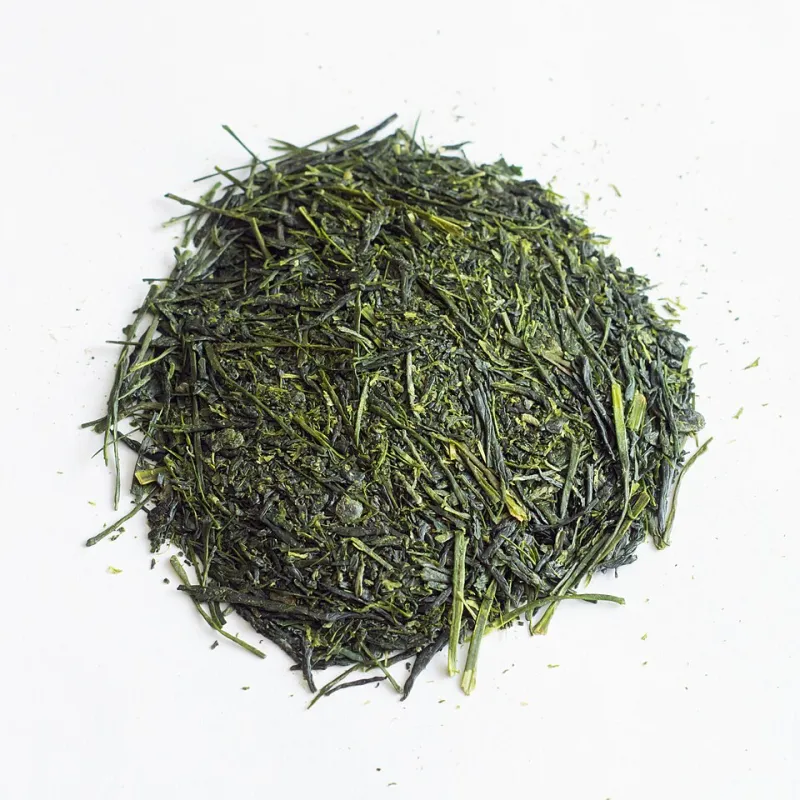
Photo: Difference engine, CC BY-SA 4.0, via Wikimedia Commons
Hospitality in Birmingham often arrives in numbers. A quiet afternoon may begin with two cups and then, quite reasonably, become a table of six. Japanese green tea is not always thought to suit such enlargement. Sencha is delicate, its window of infusion narrow, and the temptation is to treat a larger pot as a simple multiplication of a smaller one. The result is usually a darker, bitterer cup and a host who spends the afternoon correcting rather than serving. The aim, instead, is to preserve the same clarity across every cup.
Begin with the cup, not the pot
The useful starting point is the size of the cup. For a shared table, a serving of 100 to 120 millilitres is generous without becoming a bowl of soup. Six such cups require roughly 600 to 720 millilitres of water. A pot of 0.9 to 1.2 litres will hold this comfortably and leave room for the leaves to move.
Leaf quantity should be weighed rather than estimated. A reliable proportion for a shared sencha is one gram of leaf to 50 to 60 millilitres of water. For 700 millilitres, therefore, 12 to 14 grams is appropriate. A small digital scale is more valuable here than any inherited sense of a spoonful. The leaves should be loose, not packed, and the pot should be preheated with hot water and emptied before brewing. In a Birmingham kitchen, where the kettle is often the only source of hot water, this small step helps steady the temperature.
Water, temperature, and the question of scale
The city’s water is generally soft, which suits green tea, but chlorine can still dull the cup. If the tap water is noticeably scented, filter it first or use bottled water of low mineral content. Bring the water to a boil, then cool it. For a first infusion, 70 to 75 degrees Celsius is a sensible range. A larger volume of water cools more slowly than a small one, so a thermometer is useful until the host has learned the feel of their own kettle and jug.
Pour the cooled water over the leaves, replace the lid, and wait. A large pot loses heat less quickly than a small one, but the greater volume also needs a little more time for the leaf to infuse evenly. Begin with 75 to 90 seconds for the first infusion and taste before committing to a longer steep. The tea should be bright, savoury, and clean, not grassy to the point of sharpness.
The fair pour
When six cups are waiting, the order of pouring matters. Filling one cup to the brim before moving to the next will give the first guest a weaker cup and the last a stronger one. Instead, pour a little into each cup in rotation, returning to the first only when every cup has received some. Alternatively, decant the whole infusion into a warmed pitcher and pour from there. The leaves should not be left standing in water between servings; strain fully and set the pot aside.
Keeping the second and third infusions consistent
Sencha is not a single cup but a sequence. The second infusion should be slightly hotter and shorter: water at around 80 degrees Celsius and a steep of 30 to 45 seconds. The third may use water at 85 degrees Celsius and 45 to 60 seconds. These are starting points, not laws. What matters is that the host tastes each infusion before serving it. A large pot retains heat, so later infusions can become bitter quickly if the leaves are left too long.
For a table of six, three infusions are usually enough. If the conversation continues, fresh leaves are preferable to a tired fourth steeping. Keep a small bowl for spent leaves and a cloth for the pot’s base. The table remains calm when these small movements are prepared in advance rather than improvised mid-pour.
Food that stays out of the way
Food served with sencha should not compete with it. A small dish of plain rice crackers, a few salted edamame, or simple mochi will do more than an elaborate spread. In Birmingham, hosts might also offer thin slices of pear or a mild, unsalted biscuit. Strong cheeses, citrus, and heavily spiced dishes tend to obscure the tea’s vegetal notes. The purpose of the food is to steady the guest, not to become the subject of the afternoon.
A quiet method for a shared table
Serving several guests from one pot is not a matter of haste. It is a matter of measurement, fair pouring, and attention to the second and third infusions. The host who weighs the leaf, cools the water, and pours in rotation is not being fussy. They are protecting the clarity that makes sencha worth serving in company. In a Birmingham dining room or a small kitchen, that quiet method is itself a form of hospitality.