A Savoury Shelf for Sencha: Five Midlands Foods and the Art of the Second Sip
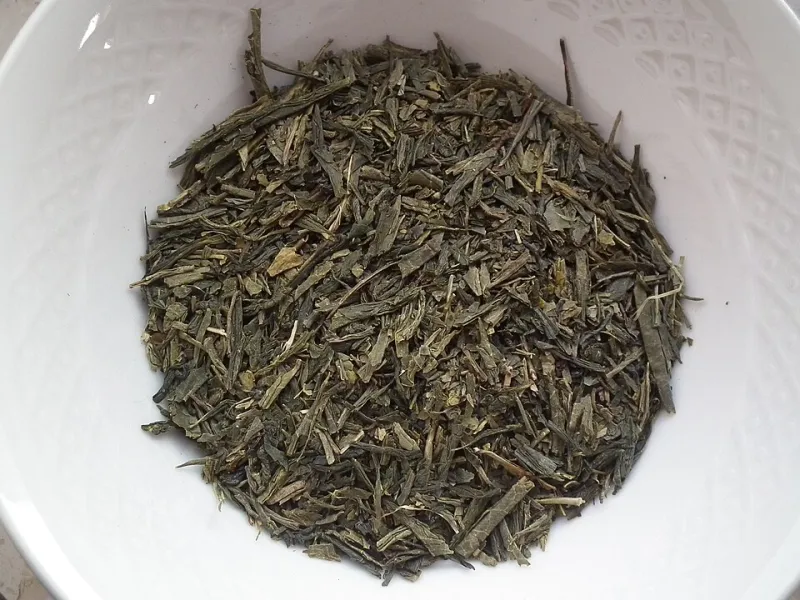
Photo: Stefan Kühn, CC BY-SA 3.0, via Wikimedia Commons
Sencha is often introduced through sweetness: a wagashi, a modest biscuit, a preserved fruit. Yet a warm cup of Japanese green tea has a savoury poise that deserves a wider table. In Birmingham, where the larder is rich in oatcakes, mature cheese, pickles, and good butter, a savoury sencha service can be both local and quietly faithful to the tea. The aim is not to turn tea into a meal. It is to build a small shelf of tastes that allows the second sip to arrive with clarity.
Why Umami Belongs Beside Sencha
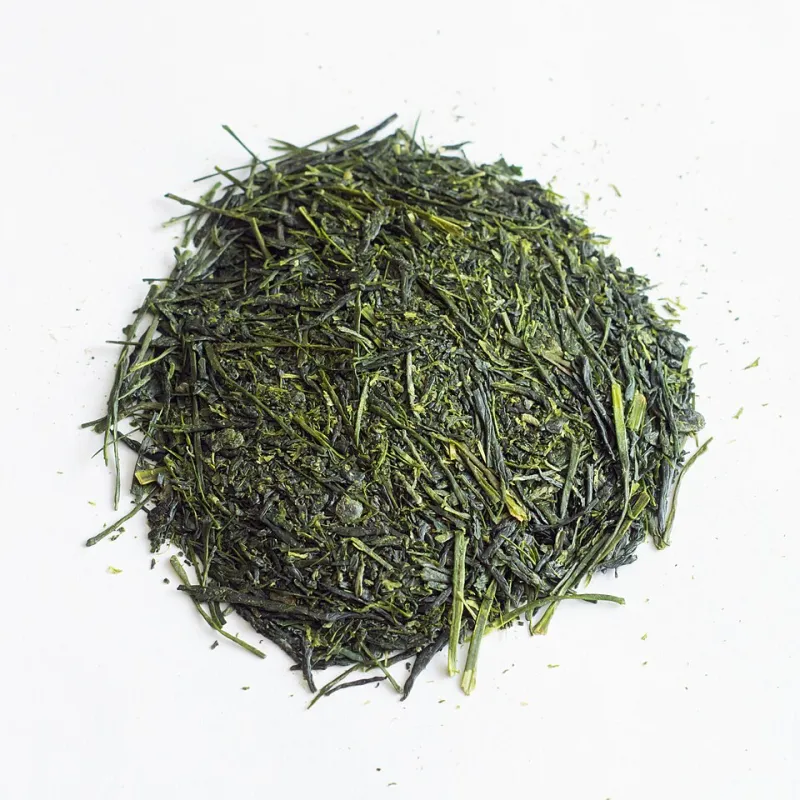
Umami is the savoury depth found in aged cheese, fermented foods, seaweed, and toasted grains. Salt amplifies that depth, while fat carries it across the palate. Sencha itself contains amino acids that give a soft, brothy quality, balanced by a gentle astringency. A savoury accompaniment should meet those qualities without burying them. The useful principle is restraint: small pieces, mild salt, and a texture that keeps the mouth alert rather than coated.
This is not wine pairing, and it need not become a science. The host is simply arranging contrasts. A crisp or fibrous food asks for another sip; a fatty food softens the tea's edge; a pickled note lifts the palate before the next infusion. In a Birmingham tea room, the savoury shelf can sit beside the kettle as naturally as the sweet one.
Five Foods from the Midlands Larder
Staffordshire Oatcakes
A plain oatcake, warmed and cut into narrow fingers, offers a neutral, slightly nutty base. Its texture is more important than its flavour: it prepares the palate without competing. Avoid heavy fillings. A bare oatcake, or one brushed with a little butter, allows the sencha's vegetal notes to remain visible.
Mature Midlands Cheese
A mature cheese from the region, cut into thin slivers, brings umami and salt in a compact form. The portion should be modest, no larger than a thumbnail. Cheese can coat the tongue, so it should be followed by a sip of tea and a pause. A firm, aged cheese is generally clearer beside sencha than a soft, strongly ripened one.
Pickled Shallots
Pickled shallots introduce acidity and a clean, sharp edge. They are useful between richer tastes, much as a relish might be. Drain them well and serve only a few pieces; the vinegar should be a note, not a flood. Their mild allium character can flatter the tea's green freshness when handled sparingly.
Seaweed Butter
Seaweed butter combines fat with a marine savouriness that echoes sencha's coastal associations. A thin scrape on a plain oatcake is sufficient. The butter should be soft but not melting, and the seaweed should be restrained. This is the richest item on the shelf, so it belongs late in the sequence, when the palate is ready for a softer, deeper taste.
Toasted Seeds
Pumpkin, sunflower, or sesame seeds, toasted until fragrant and lightly salted, provide crunch and warmth. They are the quietest accompaniment and the most forgiving. A small dish of seeds can open the tasting, giving guests something to do with their hands while the first infusion is poured.
Serving Etiquette for the Birmingham Host
Arrange the foods on one low plate or two small dishes, with each item distinct but not crowded. Portions should be small enough to finish in two or three bites. Provide a small napkin and a glass of water, though water should not be used to rinse away the tea; it is simply a courtesy. The tea itself should be warm rather than scalding, brewed to suit the leaf, and offered without milk or sugar.
At the table, avoid strong perfumes and heavily scented candles, which interfere with the aroma of the tea. Introduce the savoury shelf briefly, without lecture. Guests may take what they wish; the host should not press. Refill cups quietly and keep the pace unhurried. In the Urasenke spirit, the hospitality lies in attention rather than abundance.
A Short Tasting Sequence
- Begin with a plain sip of sencha to establish the tea's character.
- Take a few toasted seeds and note how the crunch changes the next sip.
- Try a finger of warm oatcake, then tea.
- Move to a thin sliver of mature cheese, followed by tea and a pause.
- Take one pickled shallot to lift the palate.
- Finish with a scrape of seaweed butter on oatcake, then a final, unhurried cup.
The sequence is a guide, not a rule. Its purpose is to keep the tastes in conversation rather than competition. A Birmingham host may find that three items are enough for a small gathering, or that the full shelf suits a longer autumn afternoon. What matters is the measure: enough savouriness to frame the tea, and enough quiet to notice it.
Sencha does not require a sweet curtain to be hospitable. With a few Midlands foods chosen for umami, salt, and texture, the tea table becomes a place of gentle contrast. The second sip, rather than the first, tells the host whether the shelf has done its work.