A Quiet Climate for Leaf and Powder: Storing Japanese Tea in Birmingham Homes
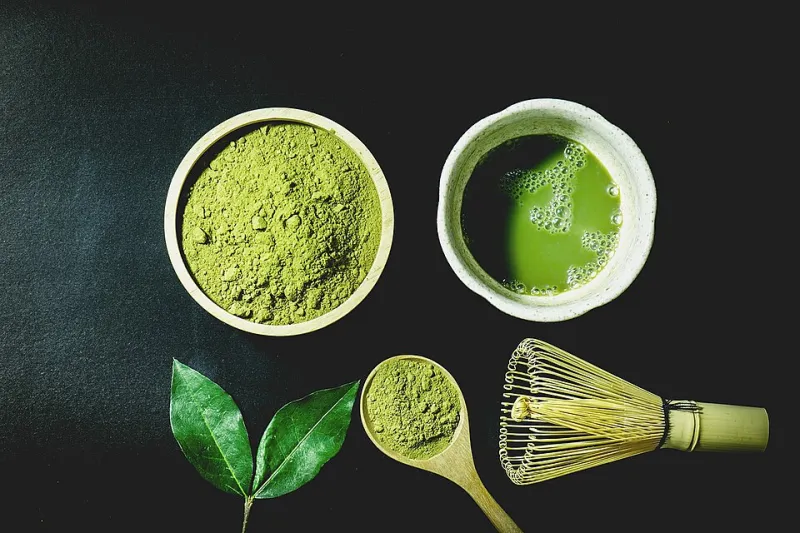
Photo: dungthuyvunguyen, CC0, via Wikimedia Commons
Japanese tea is a modest thing to store, but it is not an indifferent one. Matcha and sencha are both sensitive to the conditions around them, and in Birmingham those conditions can shift considerably within a single day. A cold, damp morning may give way to a heated room by afternoon; a small flat may carry steam from the kitchen into the cupboard where the tea is kept. The aim of good storage is not to create a laboratory at home, but to offer the leaf and the powder a quiet climate: stable, dark, dry, and free from strong odours.
For guests and students connected with Urasenke Birmingham, this is less a matter of equipment than of attention. Tea need not be treated as a precious exhibit. It should, however, be treated as something living enough to notice its surroundings.
The adversary is change, not merely damp
Moisture is the most familiar culprit in a Birmingham winter, but it rarely acts alone. Heat accelerates the decline of tea; light bleaches the leaf and dulls the powder; and strong smells are readily absorbed. The practical enemy is therefore change: the repeated warming and cooling of a cupboard, the condensation that forms when a cold tin is opened in a warm kitchen, the damp air that gathers under a sink or beside a bathroom wall.
A few simple habits answer most of this. Keep tea away from the cooker, the kettle, the dishwasher, and the radiator. Avoid the windowsill, where sunlight and draughts meet. In a small flat, the best cupboard may not be in the kitchen at all. A high, dark shelf in a living room or hallway, away from sources of steam and direct heat, can be kinder than a cupboard directly above the hob. The tea does not require perfect conditions; it requires fewer sudden ones.
Matcha: a powder that asks for shelter
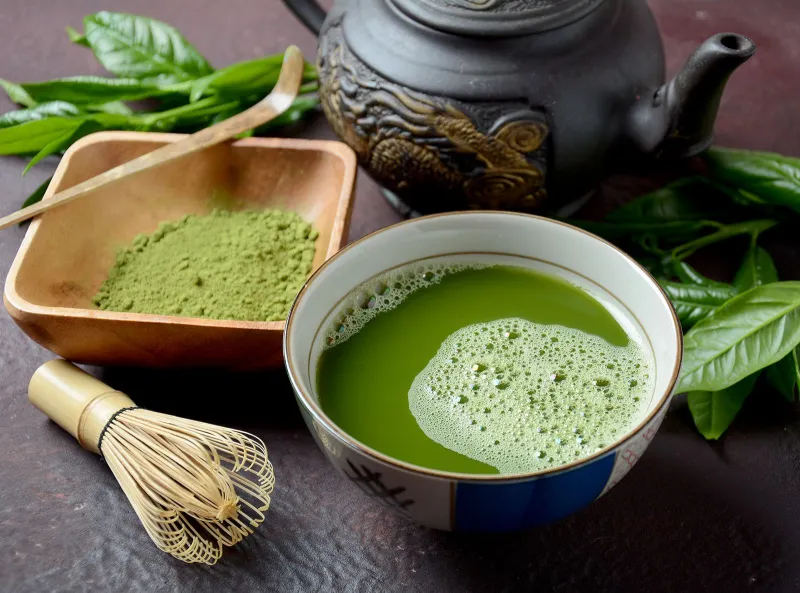
Matcha has a large surface exposed to the air, and it loses its brightness and sweetness more quickly than leaf tea. It should be kept in an opaque, well-sealed container, preferably the tin in which it was sold if that tin closes firmly. A clear glass jar, however handsome, is not a good home for matcha. Nor should the powder be left in an open pouch inside a cupboard, where kitchen odours and damp air can reach it.
Refrigeration is sometimes recommended, but in a domestic setting it calls for care. An unopened, well-sealed tin may be kept cool, but it should be allowed to come to room temperature before opening, so that condensation does not form on the powder. Once open, matcha is better kept in a cool, dark cupboard and used steadily rather than stored for months. Small quantities are a virtue. A modest tin that is finished while still vivid is more rewarding than a large one that fades at the back of the shelf.
Faded matcha is not dangerous, but it is diminished. Its colour becomes dull olive or yellowish grey; its aroma turns flat, papery, or faintly stale; and it may lose the fresh, sweet note that distinguishes good powder. These are signs of quality rather than safety, and they are best noticed before the whisk is taken out.
Sencha: leaf that rewards a narrow window
Sencha is more forgiving than matcha, but it too prefers a short and careful life once opened. The leaf should be kept in an airtight, opaque container, with as little empty space as possible. A large tin holding a small quantity of tea simply gives the air more room to work. Where possible, buy in quantities that suit the pace of the household. For many Birmingham homes, a smaller packet opened and finished over several weeks will outperform a large reserve kept for a vague future occasion.
Sencha should be kept apart from coffee, spices, scented teas, and cleaning materials. Its aroma is receptive, and a cupboard shared with strong flavours will not be neutral. If the tea is kept in the refrigerator before opening, the same caution applies: seal it well, allow it to reach room temperature before opening, and do not return an opened packet to the fridge unless it is very carefully protected.
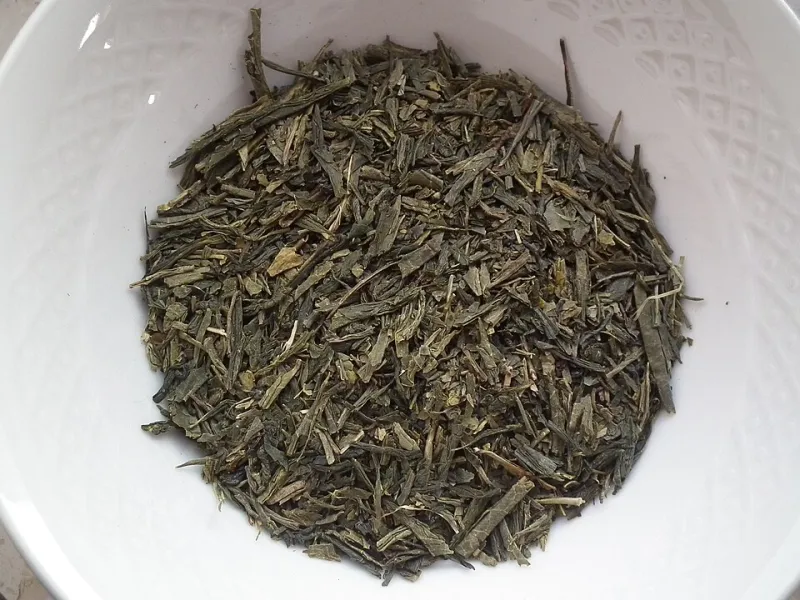
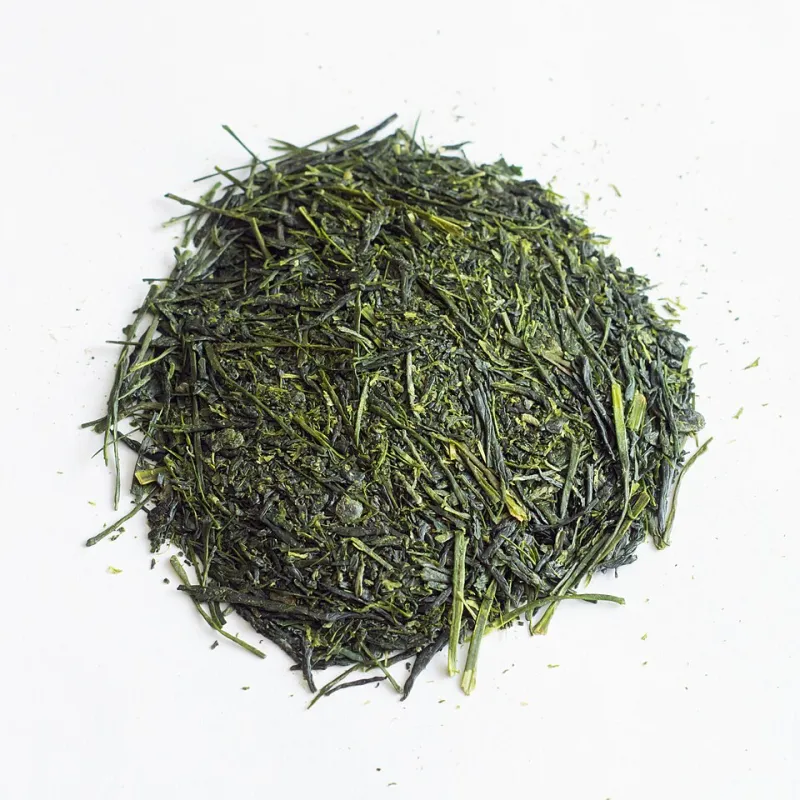
When sencha fades, the leaf loses its fresh green lustre and takes on a dull, yellowish cast. The fragrance becomes hay-like or dusty rather than sweet and marine, and the liquor may taste thin or tired. The leaf may still be usable, but it will not show the qualities that make sencha worth brewing with care.
A sensible rotation for the 2026 tea shelf
The most useful storage tool is not a device but a date. Write the opening date on the tin or pouch, and keep the oldest tea in view. A simple first-in, first-out rotation prevents the quiet accumulation of forgotten packets. For the 2026 tea shelf, it is reasonable to keep one matcha open for regular use, one sencha open for everyday brewing, and any unopened reserves sealed and labelled. Gifts and seasonal purchases should be checked before they are stored away, not after.
It also helps to separate the everyday from the occasional. A household need not keep every tea at hand. A small tin for the week, a sealed reserve for a later gathering, and a clear note of what was bought when will do more than an elaborate system. The point is to drink the tea while it is good, not to preside over a museum of tins.
Small rooms, small measures
Birmingham flats often contend with condensation, and the kitchen is not always the driest room. Tea should not be kept under the sink, against an outside wall that runs cold and damp, or on a shelf above a kettle. A simple inner cupboard in a living room, away from the radiator and the bathroom door, is often sufficient. There is no need for hygrometers, desiccant sachets, or a dedicated refrigerator unless the household already keeps tea in quantity and understands the risks. Moderation is the better discipline.
Above all, avoid opening tea near a boiling kettle or during a steamy cooking session. The brief pleasure of a warm kitchen is no kindness to a powder or leaf that will remain in the cupboard long after the steam has cleared.
When to let go
Tea that has faded need not be treated as a failure. It can be used for baking, for compost, or simply as a reminder that the next purchase should be smaller. The formal spirit of tea is not anxious preservation but considerate attention. A Birmingham cupboard cannot become a Kyoto tea store, and it need not try. It can, however, be kept dark, dry, and orderly enough that matcha remains bright and sencha remains sweet for the weeks in which they are meant to be enjoyed.