The Small Plate Between Cups: A Birmingham Guide to Biscuits and Japanese Tea
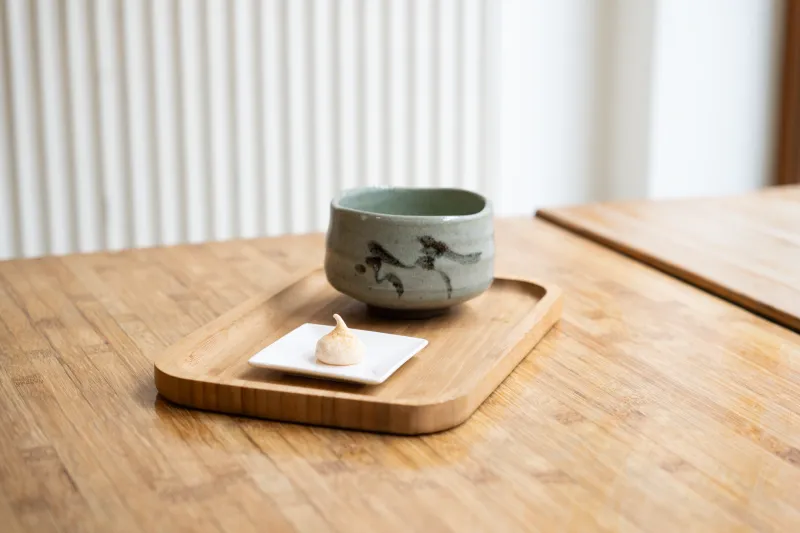
In a Birmingham tea room, the arrival of a small plate of biscuits can be a quiet act of hospitality. It says that the guest is welcome, that the host has thought about comfort, and that the gathering need not be solemn. Yet the plate also raises a question of proportion. Japanese tea, particularly when served with care, has a delicate balance of aroma, warmth, and texture. A biscuit can support that balance, or it can arrive with all the subtlety of a brass band in a small chapel.
This is not a argument against biscuits. It is an argument for choosing them carefully. The British biscuit is a familiar and generous thing, and in the Midlands it carries its own associations: the tin on the shelf, the packet brought out for visitors, the small sweetness offered with a cup of builder's tea. None of that needs to be abandoned. It simply needs to be translated into a smaller, quieter key.
Why the biscuit needs a brief
In Japanese tea practice, sweets are usually served with intent. They may precede the tea, balance its bitterness, or reflect the season. A biscuit does not need to imitate wagashi, and it should not try. Its role is more modest: to offer a plain, dry accompaniment that rests the palate between sips and gives guests something familiar to hold.
That modesty is the point. A biscuit that is too sweet, too rich, or too strongly flavoured will linger on the tongue and mask the tea that follows. A biscuit that is too large will dominate the plate. A biscuit that is too crumbly will create small difficulties in a room where movement is measured. The host is not merely providing a snack; they are editing the experience.
Texture before flavour
The first consideration is texture, not sweetness. A good biscuit for Japanese tea should be crisp, dry, and neat. It should break cleanly enough to be eaten in small bites, and it should not leave butter or cream on the fingers. Plainness is a virtue. A thin shortbread, a Rich Tea, or a modest oat biscuit can all work because they provide contrast without competition.
Flavour comes second. A lightly sweetened biscuit with a clean finish is preferable to one with vanilla, cocoa, jam, or icing. Chocolate is rarely helpful beside sencha or matcha; its fat and sugar coat the mouth. Strong spice can overwhelm the vegetal notes of a good sencha. Coconut, while pleasant, can read as perfumed in a small room. The safest rule is simple: if the biscuit would be the most memorable thing on the table, it is probably too much.
Three leaves, three approaches
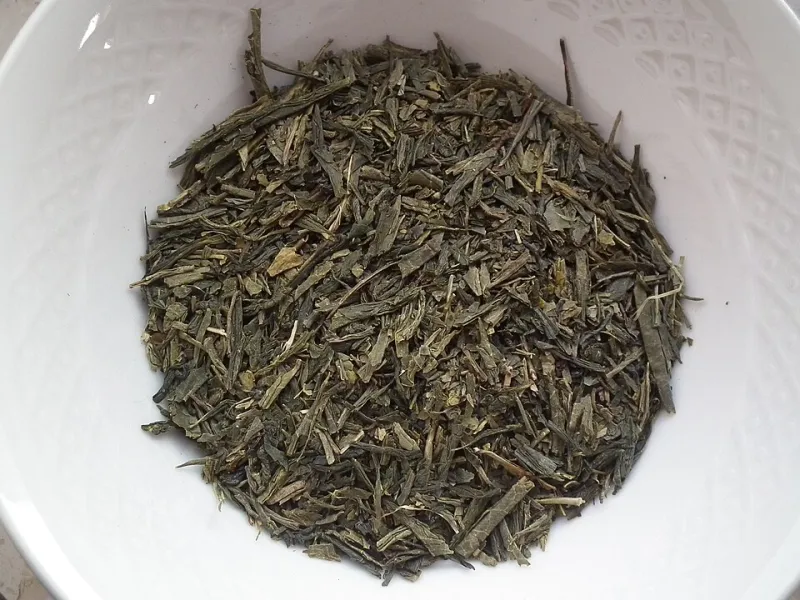
Sencha asks for the lightest touch. Its fresh, grassy, sometimes umami character is easily disturbed by sweetness. A plain Rich Tea biscuit, a thin plain shortbread, or a small plain oatcake will do. One piece is enough; two is generous. The biscuit should be eaten in small bites, perhaps before the first sip, so that the tea can then clear the palate.
Hōjicha is more forgiving. Its roasted, nutty warmth sits comfortably beside plain shortbread and a simple digestive biscuit, provided the digestive is not coated in chocolate. An oat biscuit can also work, though it should be thin and not too sweet. The aim is a dry, toasted quality that meets the tea without smothering it.
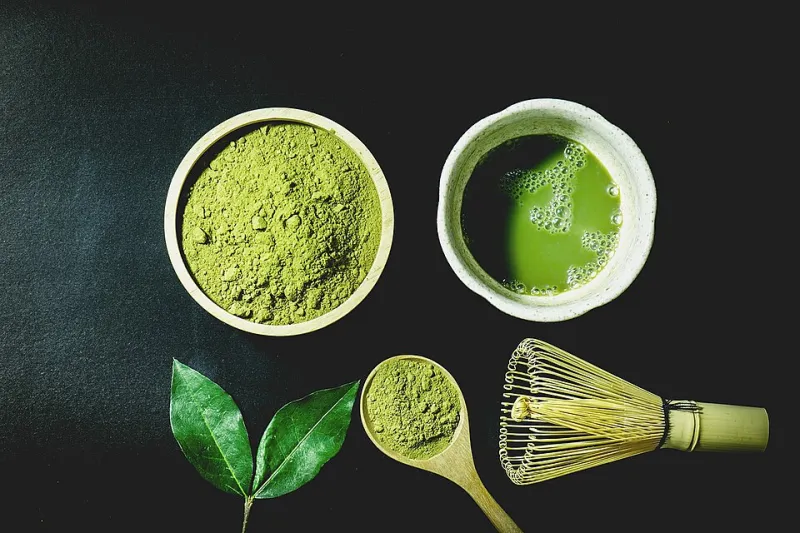
Matcha is the most demanding. Its intensity and slight bitterness call for restraint, and the traditional answer is wagashi rather than a British biscuit. If a biscuit is offered, it should be small and plain: a shortbread finger, perhaps, or half a Rich Tea. Cream fillings, chocolate, and iced biscuits are best avoided. Matcha does not need a rival; it needs a quiet companion.
A short supermarket list
For Birmingham hosts shopping locally, the following are reliable and widely available. Own-brand versions are often perfectly suitable.
- Rich Tea biscuits. Plain, dry, and modest. They break neatly and do not impose themselves on the tea.
- Plain shortbread fingers. Buttery but restrained. Choose a thin variety and serve one per guest.
- Plain oatcakes or thin oat biscuits. A useful savoury-adjacent option, especially with hōjicha. Avoid heavily sweetened versions.
- A plain digestive. One biscuit, perhaps split, can work with hōjicha. It is too coarse for a delicate sencha.
These are not rules, but starting points. The host should taste the biscuit with the tea before offering it. A biscuit that seems plain on its own may still be too sweet when set beside a fine leaf.
What to leave in the tin
Some biscuits are better kept for another occasion. Custard creams, bourbons, chocolate digestives, ginger nuts, jam sandwiches, and iced or cream-filled biscuits all bring too much sugar, fat, or flavouring to a tea gathering centred on Japanese leaf. This is not a judgement on the biscuits themselves. They have their place, and that place is often a mug of strong tea and a comfortable chair. Beside sencha or matcha, however, they tend to take over.
A host may also wish to avoid biscuits with strong artificial flavourings or heavy decoration. In a small room, even a mild vanilla aroma can compete with the tea's fragrance. Simplicity is not austerity; it is consideration.
Serving with courtesy
Presentation matters as much as selection. Bring biscuits on a small plate, not in the packet. Arrange them so that they can be taken without disturbance. Offer one or two pieces, not a heap. If guests have dietary needs, provide a plain alternative and mention it without fuss. Allergies are a practical matter, and a host should be able to say what is in the biscuit and whether it contains nuts, dairy, or gluten.
In a formal tea setting, the biscuit should not be dunked. It should not be used to stir the tea. It should be eaten quietly, in small bites, and the plate should be kept to one side. These are small points, but they help the gathering retain its shape. The biscuit is an accompaniment, not an event.
There is also a question of timing. In Japanese tea practice, sweets are often taken before the tea is drunk. A biscuit can follow the same logic: a bite first, then the tea, then perhaps another bite if the guest wishes. This allows the tea to perform its work of clearing and warming. It also keeps the pace unhurried.
A small conclusion
The biscuit question is not really about biscuits. It is about attention. A Birmingham host who chooses a plain Rich Tea or a thin shortbread is not being mean with the tin; they are making room for the tea. They are offering something familiar without letting it dominate. That is a form of hospitality that respects both guest and leaf.
In the end, the best biscuit beside Japanese tea is the one that knows its place. It should be small, dry, plain, and offered with a light hand. It should say welcome, and then fall silent.