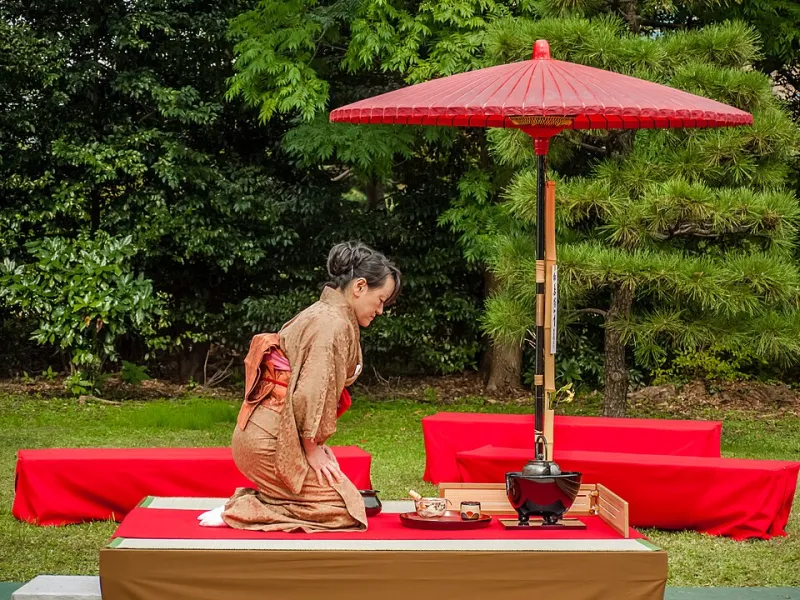
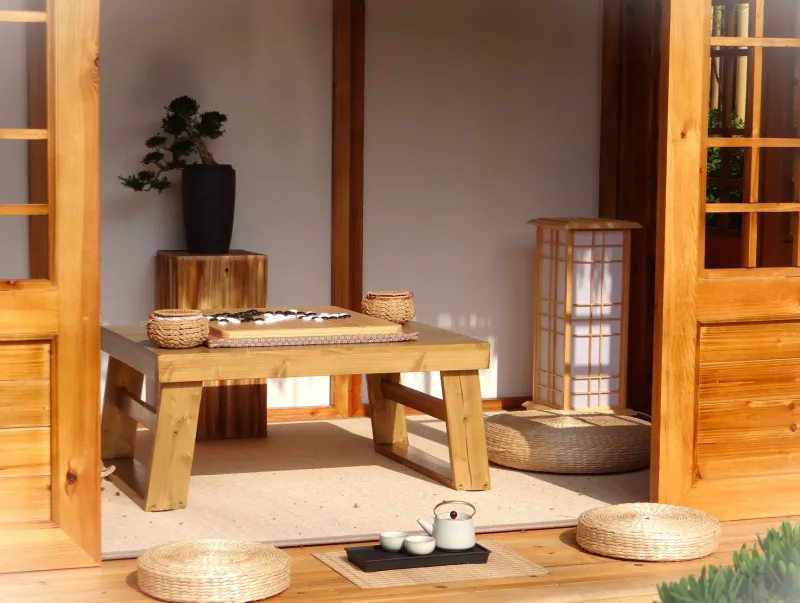
A Room on Loan: Composing Tea Ceremony in Birmingham's Shared Halls
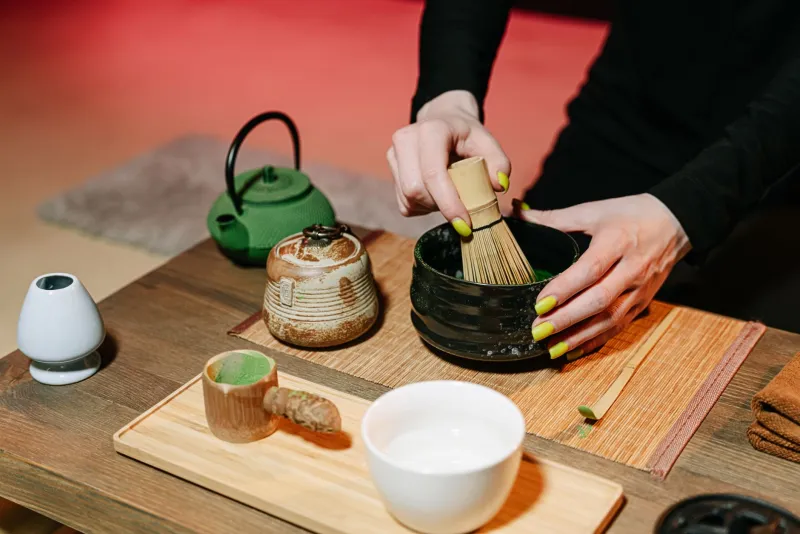
The tea room is a useful ideal, but it is not the only place where tea ceremony can be practised. Across Birmingham, gatherings are held in community centres, church halls, library rooms, and shared spaces hired by the hour. The room may have strip lighting, a noticeboard, and chairs stacked against the wall. None of this prevents ceremony. It simply asks the host to borrow the room thoughtfully and to leave it as found.
A borrowed room is not a lesser room. It is a room that must be read carefully before it is arranged. The host who arrives early, measures the floor, tests the light, and speaks with the caretaker is already practising hospitality. The aim is not to imitate a purpose-built tea room, but to preserve what matters: calm attention, a clear sightline, water within reach, and a guest who feels expected rather than accommodated.
Arriving Early, Looking Carefully
Inspect the room before the utensils are brought in. Note the position of sockets, the distance to the nearest sink, the width of the doorway, and the fire exits. Confirm what the hire agreement permits: whether a kettle may be used, whether blue-tack or tape may be applied to the floor, and what time the building must be vacated. A caretaker's telephone number is as useful as any utensil.
Allow more time than seems necessary. A shared hall often has another booking before yours, and the previous group may not leave precisely on time. A quiet buffer protects the gathering from haste. It also allows the host to sweep the floor, air the room, and place a simple cloth or screen to define the tea space without covering the hall's character.
Water, Heat, and the Route to the Sink
Water is the first practical consideration. A hall with a kitchenette is easier than one with only a distant toilet tap. Bring kettles, a thermos for spare hot water, and a clean jug for cooling. Keep cables taped down or routed along a wall so that no guest steps over a live cord. If the room's water is heavily chlorinated, filter it or bring water from home; Birmingham's supply is generally soft and pleasant for tea, but shared buildings can have old pipes or storage tanks.
Rinsing bowls and utensils should not require a performance. A plastic basin, a stack of clean cloths, and a planned route to the sink will do more for composure than an elaborate display. Bring a bin bag for used cloths and tea grounds. The borrowed room will not have a tea preparation area, so the host must create a modest one and keep it orderly.
Light That Does Not Shout
Overhead fluorescent strips are common in shared halls and unkind to the surface of a tea bowl. Where possible, turn them off and bring two or three warm floor lamps with diffusers. Place them to the side rather than directly above the temae position. Test the effect on the bowl before guests arrive: the whisked matcha should be visible without glare, and the guest's hands should not cast hard shadows.
Daylight is welcome if it can be softened with a blind or curtain. Avoid flickering bulbs, extension leads across walkways, and candles, which are rarely permitted in public buildings. Lighting is not decoration; it directs attention. A modest lamp placed with care can make a shared hall feel settled without pretending that it is something else.
Floor, Chair, and the Question of Kneeling
Floor seating is traditional, but a hired hall may have cold vinyl, uneven boards, or no tatami. Use thick mats or cushions to create a defined guest area, and arrange the host's position so that the movements of preparation remain visible. Do not assume that every guest can kneel. Offer chairs without fuss, and set them so that seated guests still have a clear view of the bowl and the hearth area. A low stool can be a useful compromise for those who wish to remain close to the floor but cannot sustain the posture.
Explain the seating briefly before the gathering begins. A guest who is worried about their knees will not be attentive to tea. Accessibility is not an exception to etiquette; it is part of it. Check step-free access, toilet facilities, and the route from the entrance. If the hall is upstairs, say so in advance and offer assistance without insistence.
The Acoustics of a Shared Hall
Shared halls echo. Footsteps, stacking chairs, and the closing of a heavy door can travel farther than expected. Choose a time when the building is quiet, if possible, and ask other users to keep the corridor clear during the gathering. Soft furnishings help; so do felt pads under utensils and a folded blanket beneath a tray. Speak quietly, but do not whisper, which can sound secretive. Silence should feel shared rather than imposed.
Background music is usually unnecessary. The sounds of water, cloth, and whisk are part of the gathering. If outside traffic or a nearby class cannot be avoided, acknowledge it inwardly and continue. Ceremony is not the absence of noise; it is the practice of returning attention to what is at hand.
Setting Out and Putting Back
A borrowed room demands a light footprint. Set out only what is needed. Keep boxes tidied away, rubbish in a bag, and cleaning materials close by. At the end, wipe surfaces, stack chairs as found, check the floor for tea stains, and thank the caretaker. A host who leaves a hall well is more likely to be welcomed back, and the courtesy belongs to the practice.
Before the day, confirm fire procedures, capacity, and insurance requirements with the venue. These are not distractions from tea; they are the conditions that allow guests to relax. When the room is on loan, preparation is the host's quiet gift. The tea itself remains simple: water, leaf or powder, a bowl, and the attention of those present.