The Low Chair and the Open Circle: Seating with Care at Birmingham Tea Gatherings
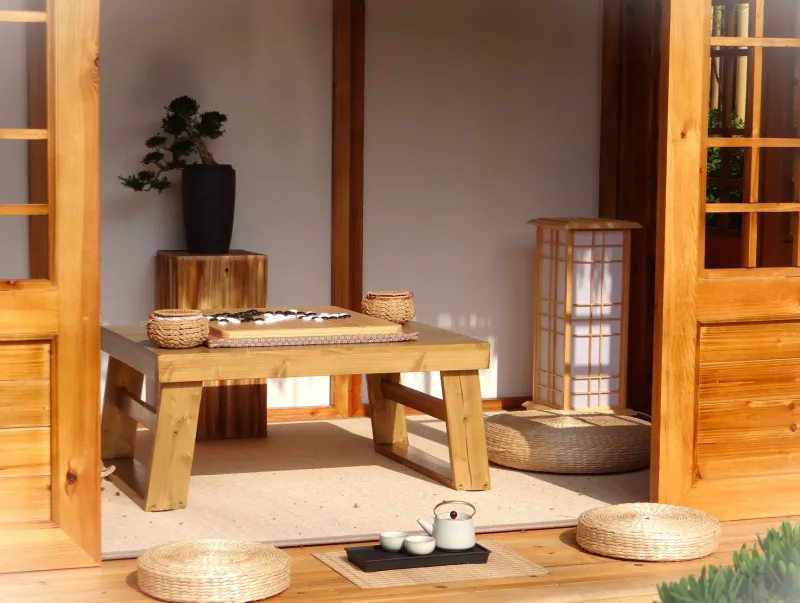
In the tea room, posture carries meaning. The guest who settles into seiza, the host who moves from the hearth on their knees, the still line of bowls and utensils: these are familiar parts of the grammar of tea. Yet a body is not a rule. Guests in Birmingham arrive from offices, buses and trains, from Victorian terraces and modern flats, and from lives that have left some knees, hips and backs less willing than others. A host who insists on one silhouette may preserve the appearance of form while losing the substance of hospitality. Adapting seating is not a lowering of standards. It is hospitality made visible.
Begin with the Room, Not the Cushion
Before the first utensil is placed, the host should consider the room as a whole. Where will guests enter? Is there a step, a narrow hallway or a threshold that requires care? In a dedicated tea room the answer may be familiar; in a Birmingham front room or community hall it must be worked out afresh. The seating plan should leave a clear path from the entrance to the guest line, and from the host's position to the hearth or preparation area. A chair placed without thought can block the flow of the gathering; a chair placed with care can sit quietly within it.
Sightlines matter as much as floor space. Every guest should be able to see the temae without craning or shifting. The chair or stool should therefore be set slightly back from the main line if necessary, or angled so that the guest can receive the bowl comfortably. It should not stand in the centre of the room as a conspicuous exception. The aim is integration: a seat that allows the guest to be present, not a seat that announces a difference.
Three Useful Alternatives
The zabuton cushion remains the most familiar floor seat, but it can be made kinder. A firm wedge beneath the knees, a folded blanket beneath the ankles or a small support at the base of the spine can make a short period of floor sitting more sustainable. These are small adjustments, made before the guest arrives, and they need not be discussed at length.
A seiza bench is another practical option. This low wooden bench allows an upright posture without requiring the legs to fold fully beneath the body. It should be stable, fitted with felt pads where floors require protection, and checked for height against the guest's comfort and the line of sight. A low chair or zaisu can serve a similar purpose. An ordinary dining chair may also be used where space allows, though a high seat can alter the visual balance of a small room; if it does, the host should adjust the surrounding cushions and spacing rather than apologise for the chair.
What matters is not the elegance of the object in isolation but whether it allows the guest to sit steadily, receive tea with both hands and bow without strain. A chair is not a failure of ceremony. It is a seat.
The Quiet Explanation
The most considerate conversations about seating happen before the gathering, not at the threshold. A host may write or speak privately: 'We have kept a chair available; please use whatever allows you to be comfortable.' This avoids the more difficult question of whether a guest can kneel, which can embarrass even when kindly meant. If a guest explains a need, the host should receive it without fuss. A simple 'Thank you for telling me; I will arrange it' is enough.
Other guests do not require a medical account. If explanation is needed at all, it can be brief and general: 'The seating has been arranged so that everyone can see and receive tea comfortably.' The host should not draw attention to the chair during the gathering, and fellow guests should refrain from comment. A guest who uses a chair need not apologise. A quiet word of thanks to the host is sufficient.
Sightlines, Spacing and the Guest Line
A chair changes the geometry of a room. It may require more space behind and beside it, particularly if the guest needs to rise or shift position. The host should therefore allow a little more room than usual and keep the tea tray path clear. When serving, the host may need to adjust the distance at which the bowl is offered, or lower their own posture slightly, so that the guest can receive it without reaching awkwardly.
It is important that the chair user remains part of the guest line rather than being placed to one side as an observer. The gathering is not a performance from which anyone should be excluded. At the same time, the host should not force a chair into a space where it obstructs the hearth, the entrance or the movement of utensils. Careful planning before the first guest arrives prevents most difficulties later.
Bowing, Rising and the Grammar of Movement
A seated bow made from a chair can be perfectly respectful. The back remains straight, the hands rest quietly, and the movement is unhurried. Guests should not be urged to kneel for the sake of consistency. Where a host is accustomed to floor forms, they may find it helpful to consider ryūrei, the standing form of tea, or to adapt their own movements so that the guest is not left straining to follow an unfamiliar sequence. The aim is not careless improvisation but the choice of a recognised alternative where one is available.
If a guest must shift position during the gathering, they should do so quietly and without apology. Discomfort is not a ceremonial virtue. The host, for their part, should avoid correcting posture during the temae. A glance, a small adjustment of the bowl or a word offered afterwards is almost always enough.
When Hospitality Is the Form
The tea room is small, but its etiquette is large enough to include different bodies. In Birmingham, where gatherings take place in rooms of many shapes and guests arrive with many kinds of experience, this is not an abstract point. A stool, a cushion, a low chair and a quietly worded sentence are not interruptions to the mood. They are part of the host's work. The mood survives because attention survives: attention to the tea, to the season, and to the person who has come to sit.
A seat for every guest is not a departure from tea. It is tea.