Provisions for the Tea Room: Buying Japanese Tea with Restraint in Birmingham

Photo: Derjochenmeyer, CC BY-SA 4.0, via Wikimedia Commons
Japanese tea shopping in Birmingham rewards a measured approach. In 2026, the city has enough provision—specialist grocers, health-food shops, delis and dependable online merchants—to furnish a tea room well, but abundance can encourage overbuying. The host's aim is a pantry that is small, fresh and fit for the next gathering. What follows is a working list for the interval between ceremonies, written for hosts and guests who would rather shop thoughtfully than exhaustively.
Buy for the next sitting, not the next year
Matcha is the most fragile item on the list. Once a tin is opened, its colour and fragrance begin to decline; buy a quantity you can use within a few weeks. For a household offering usucha to small groups, a sealed 20g or 30g tin is often enough for several sittings. Sencha is more forgiving but still benefits from small, recent purchases. A 100g packet of loose leaf will serve a Birmingham table for a month or two without becoming stale. Resist the large bargain bag unless you have a clear plan for it.
Freshness is not a luxury; it is the greater part of quality. A modest leaf bought recently will usually serve better than an expensive leaf kept too long. Write the opening date on the container in pencil. Keep the pantry honest by reviewing it before each season.
Reading the label without ceremony
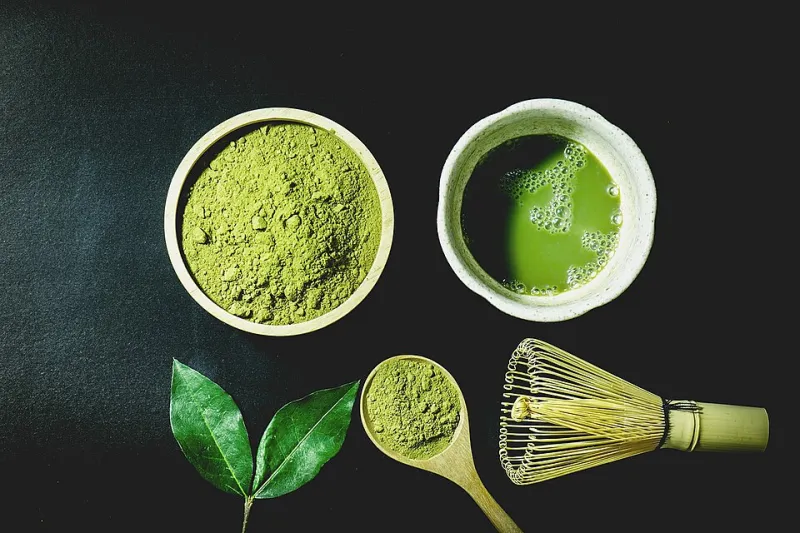
Labels can be helpful, but they are not a grading system. Terms such as 'ceremonial grade' are used by sellers rather than fixed by regulation. Look instead for a harvest date, a region, a cultivar where given, and a sealed package. For matcha, a vivid green colour and a sweet, fresh smell are useful signs; a dull olive tone or a flat hay aroma suggests age. For sencha, check whether the leaf is described as first flush or later, and whether the packaging protects it from light and air. A best-before date is not the same as a harvest date, though either can be a prompt to ask a question.
None of this requires expertise. It requires only that you read the packet before you commit.
Where to look in Birmingham and the Midlands
The Chinese Quarter and the city-centre East Asian grocers are useful for short-grain rice, nori, sesame and some packaged sweets. Independent shops in Kings Heath and Moseley occasionally carry Japanese tea, though stock varies. Larger supermarkets on the city's edge may have a modest Japanese shelf; the rice is often reliable, the matcha less so. For fresh wagashi, a Japanese bakery or confectioner in the Midlands is worth the journey, but availability is seasonal and limited. Online merchants remain the most consistent source for matcha with a clear harvest date.
In the wider Midlands, Leicester and Coventry have good East Asian provision, and Birmingham's own markets reward a slow morning. The point is not to exhaust the city. Two or three reliable sources, visited regularly, will serve better than a tour of every shelf.
What to ask, and when to stop asking
A short question is welcome in a good shop. 'When was this harvested?' 'Is this tin sealed?' 'Do you have a smaller size?' These are useful and answerable. A long tasting session in a busy shop is not. If the staff are uncertain, take the packet and read it; if the label is silent, buy small and try it at home. The errand should remain an errand.
A short shopping list
- Matcha: one sealed tin, 20–30g, recent harvest, for usucha.
- Sencha: one 100g packet of loose leaf, recent harvest, for everyday sittings.
- Wagashi: fresh seasonal sweets if available; otherwise dried higashi or a good-quality bean paste for a simple accompaniment.
- Rice: 1kg short-grain japonica, such as koshihikari, for ochazuke or a modest meal.
- Nori, toasted sesame and umeboshi: small quantities, for savoury additions.
- A small water filter or a jug for rested tap water, if your area's water is heavily chlorinated.
- A clean linen cloth and a small tray: not food, but part of the pantry's quiet order.
This list is deliberately short. It assumes that the tea room is a room, not a warehouse.
Seasonal availability and sensible substitutions
Fresh wagashi are not a year-round fixture in Birmingham. In their place, a plain rice cracker, a piece of seasonal fruit, or a small portion of bean paste can serve the same purpose: a restrained sweet before the bowl. The host should not apologise for the substitution. A considered local alternative is often more hospitable than a tired imported sweet.
Seasonality applies to tea as well. First-flush sencha arrives in spring; matcha is produced through the year but rewards recent purchase. Plan the pantry around the gatherings you actually keep, not the calendar of an imagined tea room.
Storing the pantry between ceremonies
Keep matcha in its sealed tin in a cool, dark place; refrigeration is useful only if the tin is allowed to come to room temperature before opening. Sencha prefers a similar cool, dry, dark position, away from the kettle's steam and the oven's warmth. Rice should be used within a reasonable period and kept closed. Write dates, review stock, and resist the temptation to display tea in glass jars on a sunny shelf.
The pantry between ceremonies is a small discipline. Buy what you will use, ask what you need to ask, and let the rest wait for the next gathering.