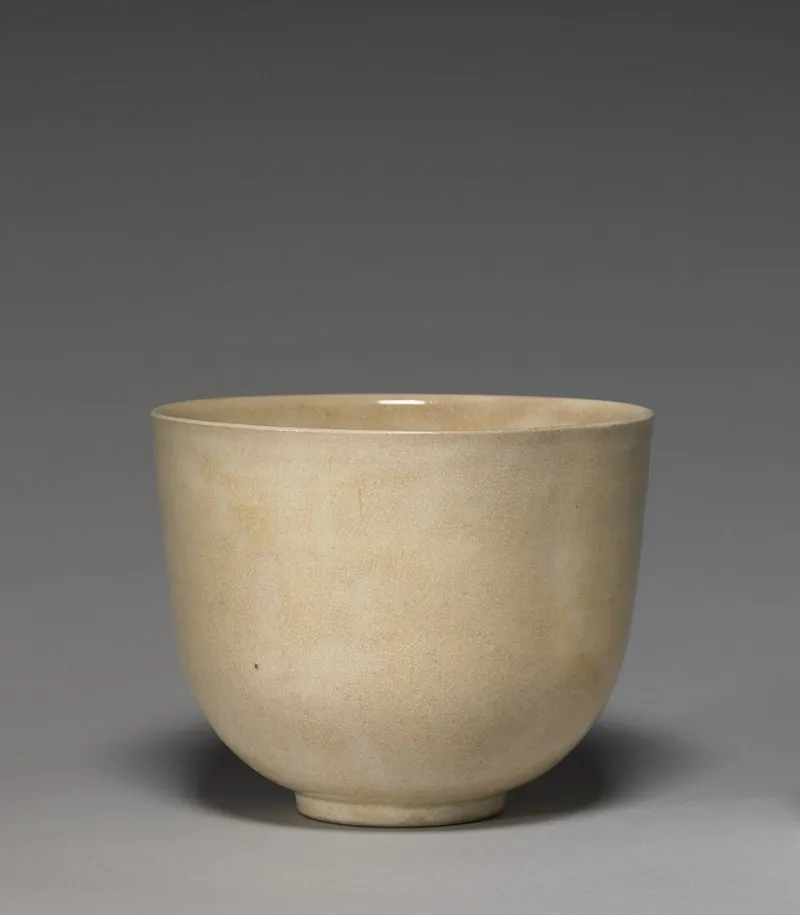
A Modest Sum, a Generous Table: Budgeting a Birmingham Tea Gathering
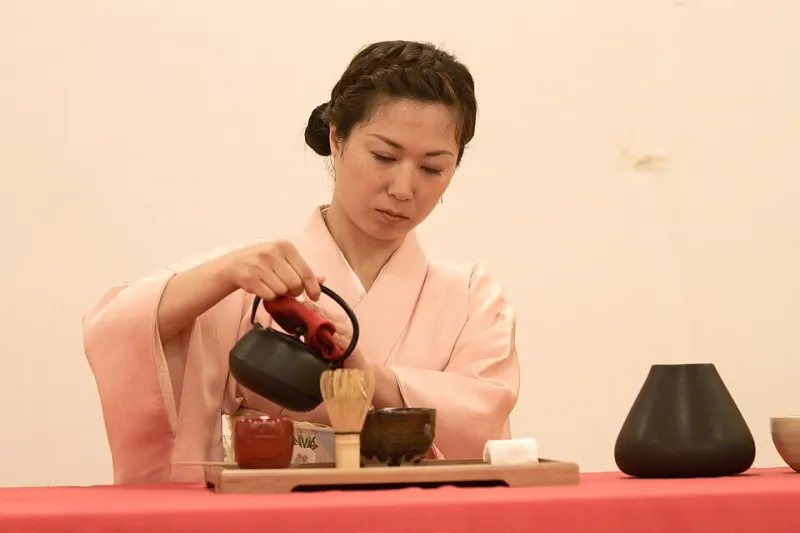
Photo: Georges Seguin (Okki), CC BY-SA 3.0, via Wikimedia Commons
Hosting tea in Birmingham does not require a grand outlay. It requires a clear head and a warm room. The host’s ledger is not a account of display; it is a record of care. A small gathering of four to six guests can be planned with a modest envelope, provided the host decides early what the gathering is for. If the purpose is quiet company, good leaf, and a well-kept bowl, the budget will follow that purpose. If the purpose is impression, the costs will rise without improving the tea.
Begin with the gathering, not the shopping list
Before buying anything, set the shape of the event. Will it be a short sitting in a home, a shared hall with borrowed screens, or an outdoor bench with a flask? Each setting has different costs. A home may save on room hire but spend more on heating and cleaning. A shared hall may charge by the hour and require extra transport. A park bench costs nothing but asks for careful packing. Write down the likely total first, then divide it into categories. A workable envelope for a small Birmingham gathering is often between forty and ninety pounds, though the figure matters less than the proportion.
A useful split is roughly one third for tea, one fifth for sweets and small food, one tenth for flowers, one fifth for room costs such as heating, lighting, water, and hire, and the remainder for contingency and cleaning. These are not rules. They are a way of seeing where generosity is being spent.
Buy less leaf, and buy it well
Tea is the centre of the budget, but it is rarely improved by quantity. For four to six bowls of matcha, twenty to thirty grams of a reliable usucha is sufficient. For sencha, fifty grams will serve a small table with room for a second infusion. Birmingham has sensible options: the Chinese Quarter for Japanese groceries, independent delis in Moseley and Kings Heath for small packets, and farmers’ markets for seasonal sweets. Online suppliers are useful, but postage should be counted as part of the leaf. Avoid buying a costly named cultivar for an ordinary gathering unless the gathering is specifically about that tea. A modest, fresh tea served with attention is better than an expensive tea served in a hurry.
Sweets should be small, seasonal, and close at hand
Sweets are where budgets quietly expand. A Birmingham bakery can provide excellent small cakes, biscuits, or fruit tarts, but the host should choose items that can be eaten in two or three bites and do not demand plates and forks. Seasonal fruit, a simple mochi-style sweet, or a plain biscuit from a local shop is enough. The point is not abundance. The point is a small, considered accompaniment that does not compete with the tea. If the host makes sweets at home, the cost is mostly time and a few ingredients; if the host buys them, a dozen small items from a local bakery is usually sufficient for six guests.
Flowers, light, and heat
A chabana arrangement should be one stem, not a display. In Birmingham, a single seasonal branch from a garden, a stem from a local florist, or a modest market bunch divided among several gatherings will cost very little. Avoid flowers with a strong scent; they belong to another article, but they also belong to another budget. Heating and lighting are less visible costs. A shared hall may charge for both, and a home may see the meter move after a long winter sitting. These are legitimate expenses. A host who budgets for warmth is not being extravagant; a cold room is poor hospitality. Use the room’s natural light where possible, and keep artificial light low and steady.
Borrowed utensils carry a different kind of cost
Borrowing a chawan, a tea caddy, or a screen from a friend or a community group is a sensible way to keep costs low. It also creates obligations. Return every item clean, dry, and in the same condition. Note what was borrowed and from whom. If a borrowed item is fragile, carry it in a padded box and avoid passing it through many hands. A small card of thanks is not a financial cost, but it is part of the ledger. The same applies to shared halls: leave the room as found, and allow time for cleaning after the guests have gone.
Keep a contingency, and keep it quiet
The most common budgeting error is spending the whole envelope before the day arrives. Keep ten or fifteen per cent aside for the unexpected: a broken bowl, extra transport, a guest who needs a taxi, or a second pot of water. This contingency is not for display. It is for calm. A host who has a little in reserve can respond to the gathering as it happens rather than calculating in the middle of it.
The ledger is a form of hospitality
A budget, kept gently, does not dim warmth. It protects it. It allows the host to choose a good tea, a small sweet, one flower, and a warm room without anxiety. In Birmingham, where guests may travel by bus, train, or canal path, the considered gathering is often the modest one. The bowl does not ask for expense. It asks for attention. A host who counts carefully is not being stingy; they are making room for the quiet generosity that tea requires.