A Bowl Before the Platform: Short Tea Sittings in Central Birmingham
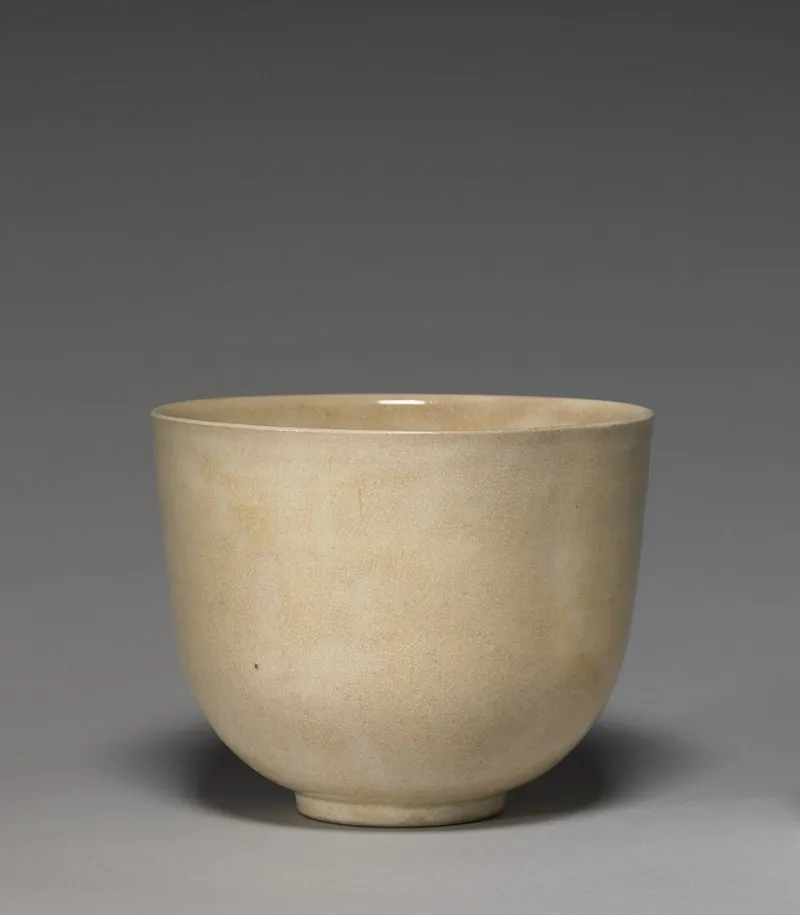
Photo: Anonymous (Japan)Unknown author, Public domain, via Wikimedia Commons
Tea ceremony in Birmingham is often imagined as an afternoon: a room set aside, a sequence of courses, a long unhurried arc from first greeting to final bow. That image is faithful to many gatherings, but it is not the only faithful form. A city centre sitting of forty-five minutes can be complete. It can hold a bowl of usucha, a single seasonal sweet, and a genuine quiet, provided the host prepares the boundary as carefully as the tea. For visitors arriving by train and leaving by train, a short sitting may be the most honest hospitality the city can offer.
A short sitting is not a lesser sitting
The measure of a tea gathering is not its length. A host who tries to compress a full afternoon into forty-five minutes will produce haste. A host who chooses a smaller form—one bowl, one sweet, one flower, one clear greeting and one clear close—can produce stillness. The form remains; the scale changes. Guests should be told in advance that the sitting is brief, so that no one arrives expecting a long meal or a second bowl.
Choosing a room near the stations
The practical radius is a walk of five to ten minutes from New Street, Moor Street, Snow Hill or the coach station. A borrowed hall, a community room, or a quiet corner of a central building will serve if it has step-free access, an accessible toilet, and a door that can be closed against the noise of the street. Check the room's clock, or place a small clock where the host can see it without drawing attention. Avoid rooms where a public-address announcement will interrupt the tea; if unavoidable, warn guests at the start.
The compact menu
For forty-five minutes, thin tea is usually the right choice. A single bowl of usucha, prepared with care, followed by one seasonal sweet, is enough. If the sitting falls at midday, a small rice cracker or a piece of fruit can precede the tea; if it falls in the afternoon, a fresh wagashi is preferable where available. Avoid a second bowl unless the timetable is generous. Avoid a savoury course that requires plates, cutlery and clearing. The menu should leave the host free to attend to the guest, not to the kitchen.
The utensil set can be equally compact: chawan, chasen, chashaku, natsume, kensui, fukusa, and a clean cloth. A small tray keeps the arrangement orderly. The flower in the alcove may be a single stem; the scroll may be a simple phrase. Short sittings do not require a full room, but they do require a prepared one.
Timing the forty-five minutes
A workable structure is this. From the appointed hour to five minutes past, receive guests at the door, take coats, and indicate the quiet room. From five to ten minutes past, seat guests and allow the room to settle. From ten to twenty minutes past, serve the sweet and explain it briefly. From twenty to thirty-five minutes past, prepare and serve the tea. From thirty-five to forty minutes past, close the sitting with thanks and a few words about the next gathering. From forty to forty-five minutes past, assist with coats and departure.
The host should announce the close at the beginning: 'We shall finish at half past twelve to allow everyone to reach their trains.' This is not a threat to the atmosphere; it is a kindness. Guests can then relax within a known boundary.
Arrival and departure cues
Arrival should be simple. The host meets each guest at the door, shows them where to leave coats and bags, and asks them to silence their phones. A small sign can indicate the tea room. Departure should be equally simple. The host rises, thanks the guests, and opens the door. A guest who must leave immediately after the bowl should say so quietly at the start; the host can then place them near the door. No one should feel obliged to linger, and no one should feel dismissed.
The guest with a train to catch
A guest should tell the host at the time of booking that a train is involved. Check the timetable before leaving home, not during the sitting. Keep bags compact. If the sitting is running late, a quiet word before the tea begins is better than a departure in the middle of the preparation. If time is very tight, it is acceptable to decline the sweet and take only the bowl, or to leave after the bowl with a brief apology. The host should accept this without reproach; the timetable is not a failure of manners.
Phones should be checked before entering and after leaving, not during the sitting. A guest who needs to confirm a platform can do so at the door, with the host's knowledge.
When not to shorten
A short sitting is not suitable for every occasion. A first visit may benefit from a little more time, though a well-bounded forty-five minutes can still serve. A gathering that includes thick tea, a meal, or several guests in sequence needs longer. A host who is uncertain should choose the longer form and offer a shorter one another time. The short sitting is an alternative, not a replacement for the full afternoon.
In central Birmingham, where trains run frequently and the streets are busy, the forty-five-minute bowl is a useful form of hospitality. It asks the host to prepare less, but not to care less. It asks the guest to arrive on time and leave with grace. Within those limits, the tea can be as quiet as any afternoon.