Five Birmingham Counters for Matcha and a Considered Plate
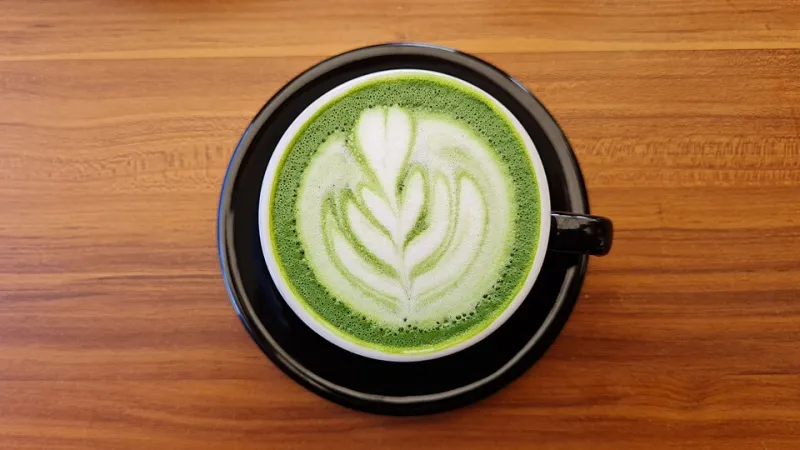
Photo: Irvan Ary Maulana, CC BY-SA 4.0, via Wikimedia Commons
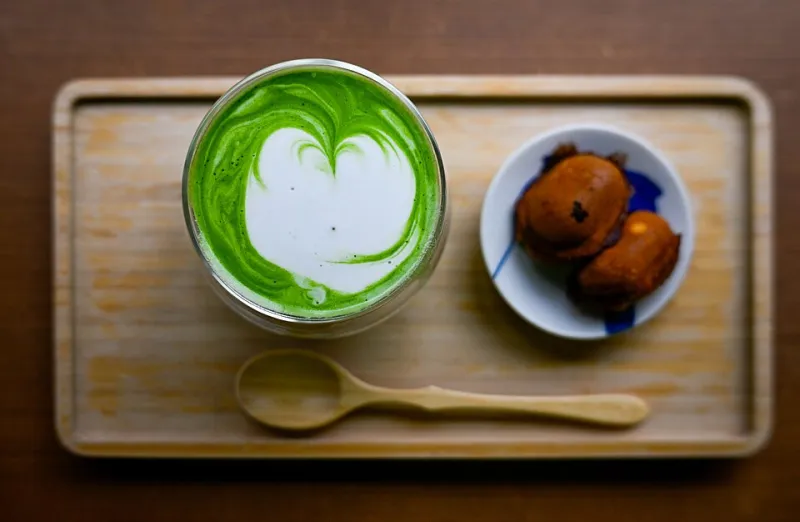
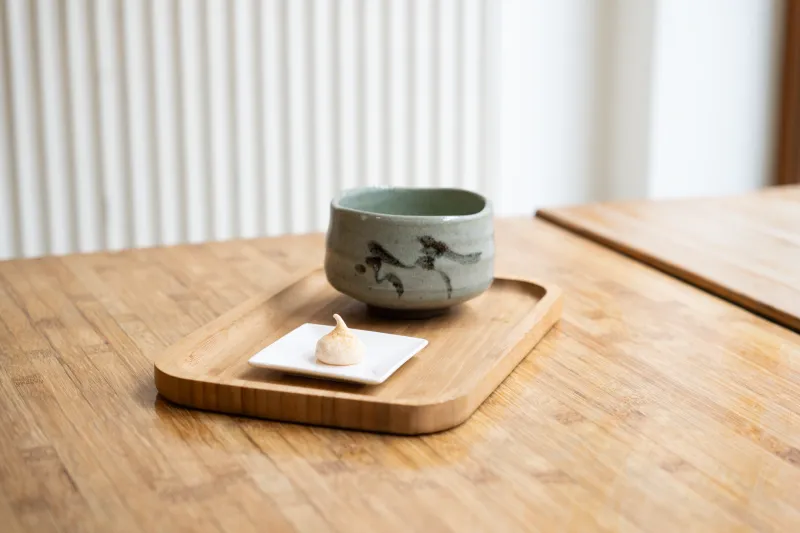
Matcha has become a common sight in Birmingham, but a good matcha break is not guaranteed by the colour alone. The tea-room eye looks for different things from the average café queue: a whisked bowl rather than a syrup-heavy latte, water that has not been boiled to bitterness, a small plate that does not overpower the leaf, and a room calm enough to notice the difference. This shortlist is not a ranking. It is a record of five counters where a seated pause is possible, with notes on what to order and how to taste. Menus and staff change, so confirm before travelling.
What the tea-room eye looks for
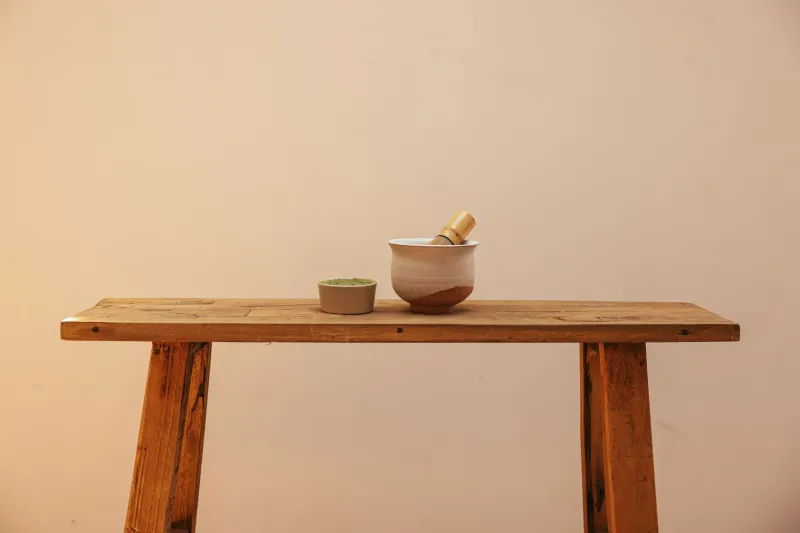
First, the whisk. A proper matcha is sifted and whisked with hot, not boiling, water. A café that pours pre-whisked matcha from a flask may still be pleasant, but it will lack the foam and freshness of a bowl made to order. Second, sweetness. Many Birmingham counters default to a sweetened latte. Ask for the matcha unsweetened, or with the syrup on the side. Third, the food. A small biscuit, a piece of fruit, or a plain pastry is better than a heavy cake. Fourth, the room. A counter seat can be calm if the lighting is soft and the music is not too loud. Fifth, access. Step-free entry, a stable chair, and a clear route to the toilet matter more than décor.
1. Café Soya, Arcadian
Café Soya sits in the Chinese Quarter, where a tea break can be part of a larger food shop. The matcha here is best ordered as a simple drink rather than a dessert. Ask for it unsweetened and not too hot; if the staff are busy, the water may be hotter than ideal. The advantage is the savoury plate. A small order of steamed greens or a light rice dish gives the matcha something to sit beside without drowning it. The room is often lively, so choose an off-peak hour. Accessibility is reasonable from the Arcadian walkway, but the pavement outside can be uneven. This is a counter for a practical, unhurried lunch rather than a quiet ceremony.
2. Yorks Café, Colmore Row
Yorks is a Birmingham staple for coffee, and its matcha latte is a useful city-centre option. The tea-room guest should ask for the matcha shot in a small cup, with milk on the side, so the leaf can be tasted before it becomes a latte. The water temperature is usually reliable, and the whisking is visible at the bar. Pair it with a plain croissant or a small pastry rather than a frosted cake. The room is busiest at lunchtime; a mid-morning seat near the window is calmer. Step-free access is good, and the staff are used to custom orders. This is not a ceremonial bowl, but it is a considered city break.
3. Medicine Bakery, New Street
Medicine Bakery is known for its baking, and that is the reason to visit. The matcha is best treated as an accompaniment to a small, well-made pastry. Ask for it unsweetened; the bakery’s sweet items already carry enough sugar. The room is handsome but often noisy, with hard surfaces and a busy counter. For a tea-room pace, go early or late. Accessibility is good from New Street, though the queue can be long. The tea-room eye should not expect a quiet alcove. It should expect a good plate, a decent drink, and the discipline of tasting the matcha before the pastry.
4. Tilt, City Centre
Tilt offers a more relaxed counter, with a changing menu and a mixed crowd. The matcha here is usually prepared as a latte; ask for it with less milk and no syrup. The advantage is the seating. There are corners where a guest can sit for twenty minutes without feeling rushed. Pair the matcha with a small biscuit or a slice of plain cake. The room can be dim, which suits a winter break, but guests with low vision may prefer a seat near the window. Access is step-free at the main entrance. This is a good counter for a solo tea break or a quiet conversation.
5. Wayland’s Yard, City Centre
Wayland’s Yard is a café and workspace, and its pace is well suited to a mid-afternoon matcha. The drink is usually reliable, though the sweetness varies; ask for it unsweetened. The food menu is broader than a bakery’s, so choose something small and plain: a piece of toast, a simple egg dish, or a pastry. The room is calm enough for a short sitting, and the staff are accustomed to laptops and quiet tables. Accessibility is good, with step-free entry and a clearly signed toilet. The tea-room guest should sit away from the door in winter and take the matcha before the food.
How to taste the pairing
At each counter, begin with the matcha alone. Notice the foam, the bitterness, and the finish. Then take a small piece of food, and return to the tea. The food should make the tea taste more like itself, not less. If the matcha is sweetened, the pastry should be plainer. If the matcha is strong, the food should be small. This is not a rule of ceremony; it is a way of paying attention.
The counter as a tea room
A Birmingham café counter is not a tea room, and it should not pretend to be. But a quick seat can still be considered. The guest who asks for unsweetened matcha, chooses a small plate, and sits for twenty minutes is practising the same restraint that a longer gathering asks for. The room may be busy. The bowl may be a cup. The attention can still be there.