The Early Lamp: Tea Etiquette for Birmingham’s Longest Evening
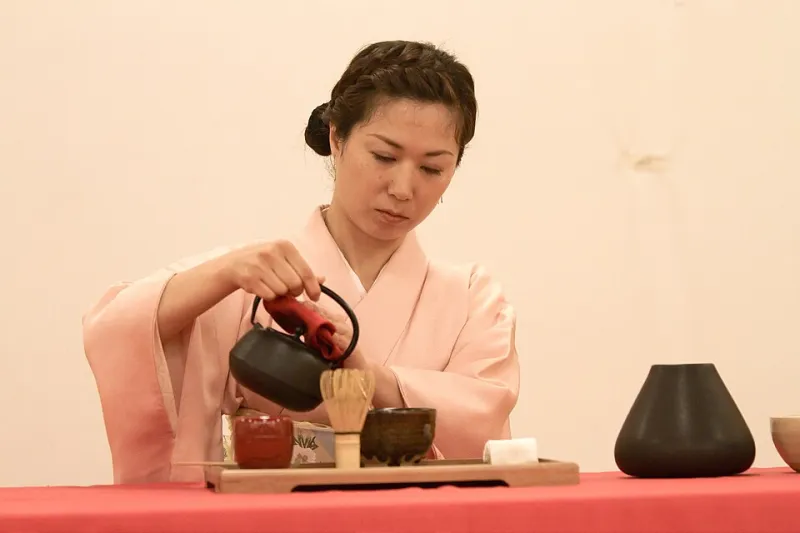
Photo: Georges Seguin (Okki), CC BY-SA 3.0, via Wikimedia Commons
The winter solstice in Birmingham does not announce itself with spectacle. It arrives as a gradual closing of the curtains: the last pale light slipping behind the rooftops, the streets settling into an early quiet, the sense that the day has been shortened not by accident but by design. On 21 December 2026, the sun will set over the city before four o’clock. For anyone preparing a small tea gathering, that early darkness is not an inconvenience to be overcome. It is the particular condition of the evening, and it deserves a considered response.
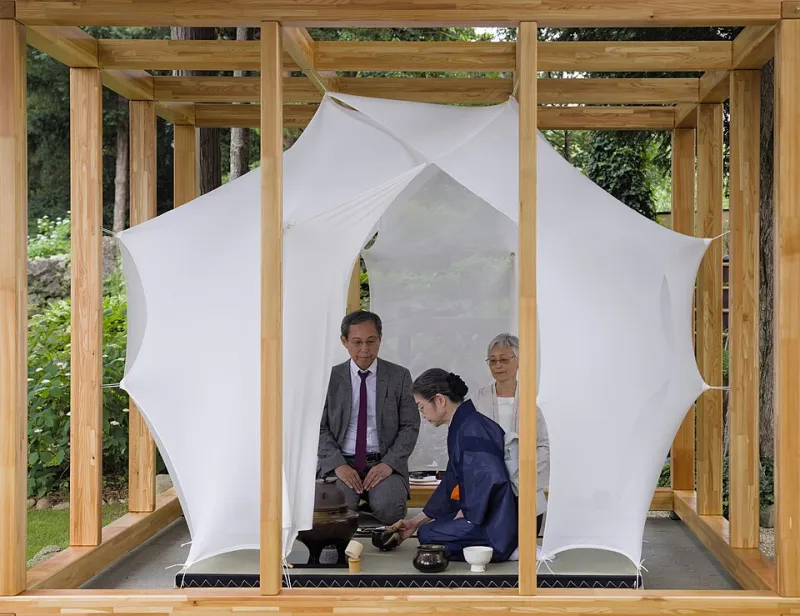
A solstice tea need not be elaborate. It is better understood as a quiet room, a warm bowl, and a few guests who have agreed to meet the longest night without filling it. The etiquette of such an occasion is not separate from ordinary tea manners; it is those manners adjusted for darkness. The host has more to arrange before the first guest arrives, and the guest has more reason to move with care. Both are asked to remember that, in winter, the threshold matters more than usual.
A Welcome Before the Lamp Is Lit
The host’s work begins outside the tea room. A clear path from gate to door, a light left on at the entrance, and a dry place for coats and umbrellas will do more for the evening than any ornament. In a Midlands December, wet shoes and cold hands are almost certain. The guest should not have to negotiate a dark garden or guess which door is meant. A small lamp at the threshold is both practical courtesy and a quiet signal that the gathering has begun.
Guests, in turn, should arrive neither long before the appointed hour nor at the last minute. Punctuality is a form of consideration at any tea, but after dark it becomes more visible: the host is listening for the bell, and the room is already arranged. A small hand torch is useful for the walk, but it should be put away before entering. Telephone torches, held high and sweeping across windows, disturb the house and the street alike. Wipe the feet, leave wet outerwear where the host has indicated, and enter the tea room with hands and attention free.
The first few minutes are not for brisk conversation. A guest may remark on the cold, but should not carry the weather into the room. The host may offer a warm cloth or a little hot water before tea; this is not a substitute for the ceremony, only a way of settling the body so that the mind can follow.
The Room in Low Light
Low light is not the same as poor light. The tea room should be dim enough to soften the edges of the evening, but clear enough that the bowl, the caddy, and the hands of the host remain visible. One shaded lamp to the side is usually better than an overhead light. Two small sources, placed with care, can be better still, provided they do not compete with the tea. Candles may be used, but only if they are unscented and steady; a flickering flame near a tatami mat or a cloth is a distraction, not an atmosphere.
The host should arrange the room so that the guest’s route to the bowl is obvious without being pointed out. Shadows should fall away from the working area, not across it. A dark corner may be left dark. There is no need to illuminate every object or to fill the alcove with seasonal decoration. A single branch, a simple vessel, or a clean expanse of wall will serve the evening better than abundance.
Guests should move deliberately in such a room. In low light, a sudden gesture can seem larger than it is. Wait to be invited to the bowl; do not reach across another guest; keep voices low without becoming secretive. If something is not visible, ask quietly rather than leaning forward to inspect it. The restraint of the room is shared, and it is maintained by small acts of attention.
A Bowl to Warm the Hands
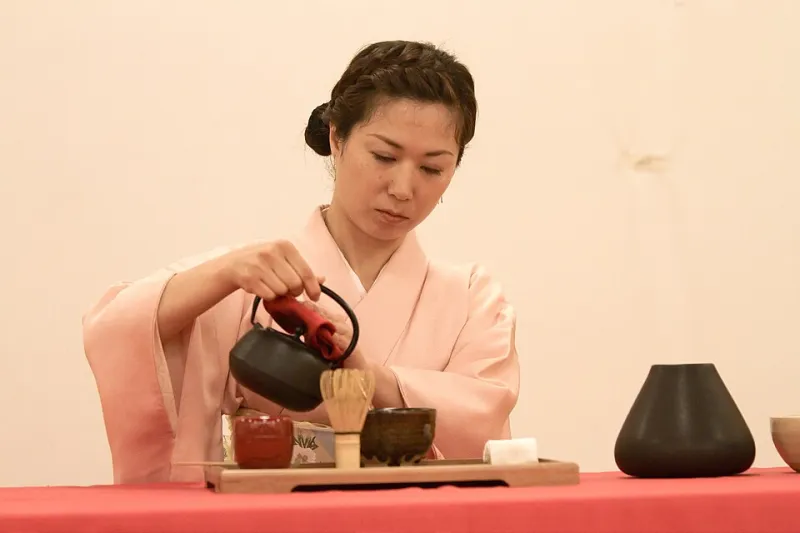
For the solstice gathering, a bowl of usucha is fitting. It is light enough for evening and warm enough to be held. The water should be hot but not fierce; the aim is a bowl that warms the palms through the ceramic, not one that demands to be put down. The host may choose a bowl with a little more depth or weight than a summer bowl, something that holds the heat and suits the season’s quieter mood.
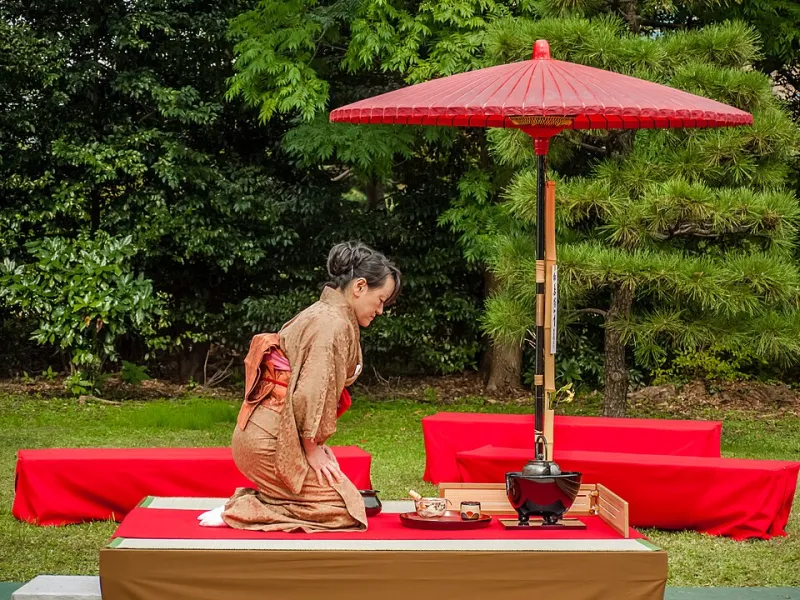
The sweet should be simple and seasonal. A small portion of poached pear, cooked with a strip of orange peel and a little honey, served at room temperature, sits well beside matcha and belongs to the Midlands winter table. It need not be elaborate, and it should not be heavy. The sweet is eaten before the tea, in the usual way, and it prepares the palate without distracting from the bowl that follows. A single piece is enough. Generosity at such a gathering is measured less by quantity than by care.
Conversation at the Edge of the Day
The solstice tea does not require a programme of talk. The host may begin with a few words about the season, but there is no need to explain the darkness or to insist on cheer. Silence is permitted. When conversation comes, it should be unhurried and modest: the walk to the house, the change in the streets, a remembered winter, the taste of the sweet. Politics and complaint are better left outside, not because the guests are indifferent to the world, but because the room has been arranged for a different kind of attention.
A guest who wishes to compliment the host should do so plainly and briefly. Excessive praise can make the room self-conscious. A word about the bowl, the warmth of the room, or the care of the welcome is sufficient. The host should receive thanks without turning them into a performance. In this, as in so much of tea, the ordinary courtesies are enough when they are offered sincerely.
The Departure into Darkness
When the tea has been finished and the bowls have been returned, the gathering should close before it becomes tired. The host will indicate, gently, that the evening has reached its end. Guests should gather their belongings without hurry, thank the host at the room’s threshold, and leave the doorway clear. Long farewells in an open door let the cold into the house and delay the host’s own quiet after the guests have gone.
A solstice tea ends in darkness, and that is part of its shape. The guest steps out into the early night with the warmth of the bowl still remembered. The host closes the door, turns down the lamp, and lets the room return to silence. Nothing more is required. The longest night has been met with a small, deliberate courtesy, and that is enough.