Renewal in a Small Room: A Birmingham Guide to the First Tea of the Year
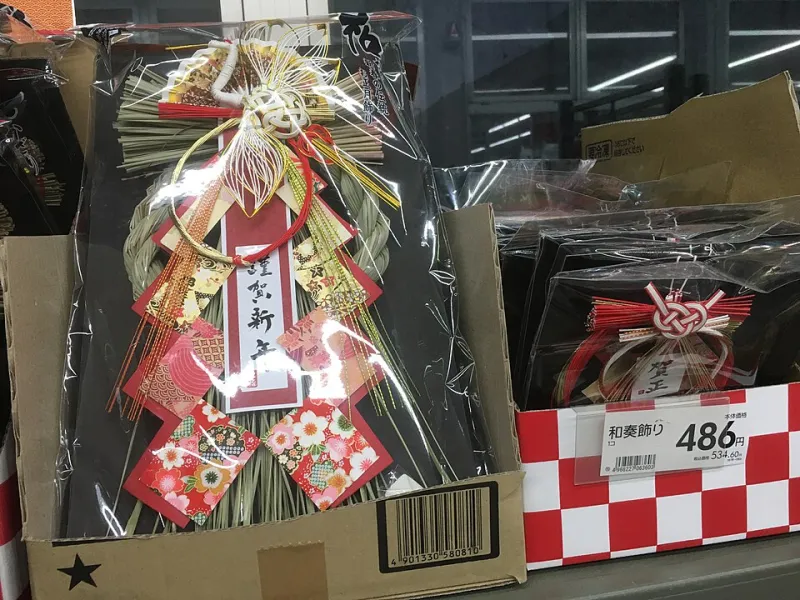
Photo: Nesnad, CC BY 4.0, via Wikimedia Commons
Hatsugama, the first tea gathering of the new year, carries a particular weight in Japanese tea practice. It is an occasion for renewal, for gratitude, and for beginning the year in the company of others with attention and good order. In a formal setting it may involve a carefully appointed tea room, a sequence of thick and thin tea, and a considerable amount of preparation. In a Birmingham home, the scale will be different. The occasion need not be diminished by that difference. A small gathering, honestly arranged and quietly conducted, can hold the spirit of hatsugama without pretending to be something it is not.
The shape of a small hatsugama
The first decision is one of scale. A domestic hatsugama works best with four to six guests. A smaller circle allows each person to be received properly, to be served without rush, and to leave with the sense of having been genuinely welcomed. A larger gathering in a modest room can quickly become a reception rather than a tea gathering. The aim is not to fill a space but to make a space sufficient for the occasion.
A single form of tea is usually enough. In many homes, usucha, the thinner matcha, will be the practical choice. It requires less tea, less equipment, and less physical space than koicha, and it allows the host to serve several guests in sequence without the gathering becoming strained. A host with experience may wish to offer koicha first, but a first home hatsugama need not attempt everything. The etiquette of the occasion lies in the care with which the tea is prepared and received, not in the number of bowls.
Guests and invitations
Invitations should be sent in good time, especially in the first weeks of January when diaries are still unsettled. A simple card or a courteous email is sufficient. The invitation should state the date, the arrival time, the expected length of the gathering, and any practical details such as parking, public transport, or steps at the entrance. Guests should be invited to mention dietary needs in advance. In a Birmingham home, where guests may travel by bus, train, or car, a clear arrival time is a kindness.
It is sensible to ask guests to arrive a few minutes early rather than exactly on time. This allows for coats, wet shoes, and the small adjustments that winter weather makes necessary. The host should be ready before the first guest arrives. A gathering that begins with the host still searching for a whisk or clearing a table has already lost some of its calm.
Preparing the room
The room should be clean, uncluttered, and quiet. This is the first act of hospitality. A Birmingham terrace or flat may offer only a corner of a living room, but a corner is enough if it is prepared with intention. Clear away unnecessary objects. Lay a plain cloth. Set out the tea utensils on a tray so that they are ready but not conspicuous. Arrange seating so that guests can face the tea preparation without crowding.
Seasonal touches should be modest. A simple scroll, a single branch of pine or plum, or a small arrangement of winter flowers can mark the new year without turning the room into a display. Avoid heavily scented flowers and strong fragrances, which compete with the aroma of tea. The light should be soft. In January, a lamp in the corner and a little daylight through the curtains may be sufficient. The room need not look like a formal tea room; it need only feel cared for.
Sweets before tea
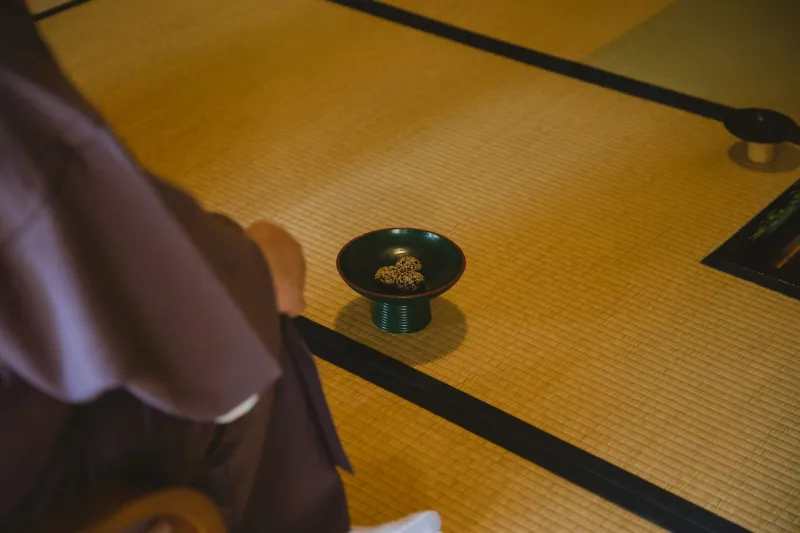
Wagashi are offered before matcha, and at hatsugama they may carry a seasonal motif. A plum blossom, a pine needle, or a suggestion of the first sunrise is appropriate. For a small home gathering, the sweets need not be elaborate. A single piece per guest, served on a small plate or paper, is enough. Good wagashi can be bought from a Japanese grocer or a specialist supplier, and a simple yōkan or a modest purchased nerikiri will serve the occasion well. A host who wishes to make sweets at home should choose a recipe that can be prepared in advance and served without fuss.
The sweets should be set out before the guests arrive, or arranged quietly while they are settling. They are not a dessert course to be lingered over; they prepare the palate for tea. Water or a light tea may be offered alongside them, but the main offering remains the bowl of matcha that follows.
The order of the gathering
The gathering should have a clear but unhurried shape. Guests arrive and are welcomed. Coats are taken, and they are invited to enter and to look at the seasonal arrangement. They take their seats. The host offers a brief word of welcome, marked by the occasion rather than by lengthy speech. Sweets are served. The host then prepares the tea.
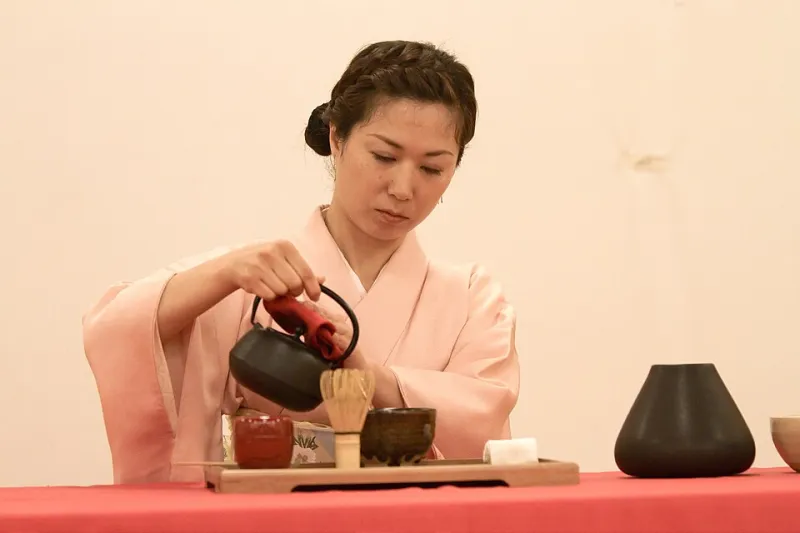
For usucha, the host will clean the utensils, warm the bowl, measure the matcha, and whisk. Each guest receives the bowl in turn, drinks, and returns it. Quiet conversation may follow, but it should not overwhelm the room. The gathering may close with a simple expression of thanks from the host and a few words from the guests. The whole occasion can be completed in ninety minutes or less. A longer gathering is not necessarily a better one.
Practical cautions
A first home hatsugama is more likely to succeed if the host resists the urge to add too much. Do not overcrowd the room. Do not invite more guests than can be served calmly. Do not attempt a menu of sweets that requires last-minute work. Keep the room warm but not overheated, and make sure that guests have somewhere to put their coats and bags. If the gathering takes place on a wet January day, have a cloth ready for shoes and umbrellas. These are not ceremonial details, but they support the ceremony.
It is also wise to think about departure. Guests should be told roughly when the gathering will end, and the host should not feel obliged to extend it. A calm ending is part of hospitality. The first tea of the year should leave everyone, host included, with a sense of quiet rather than exhaustion.
A beginning, not a performance
Hatsugama in a Birmingham home will not resemble a gathering in a formal tea room, and it need not try. Its value lies in the decision to mark the new year with tea, to receive a small number of guests with care, and to let the occasion be shaped by attention rather than display. A modest room, a single bowl of usucha, a seasonal sweet, and a host who is present to the moment: these are sufficient. The first tea of the year is not a performance. It is a beginning.